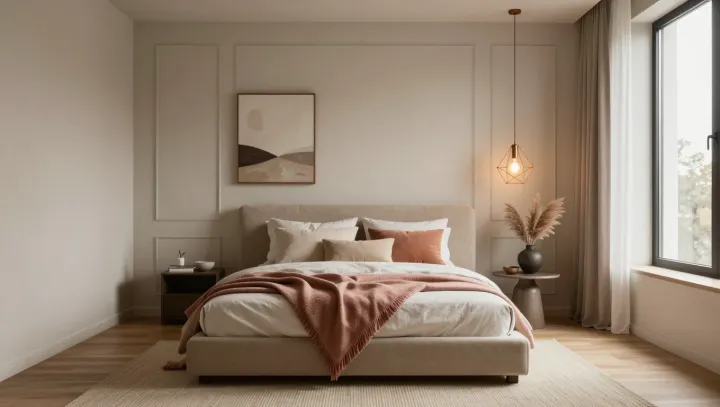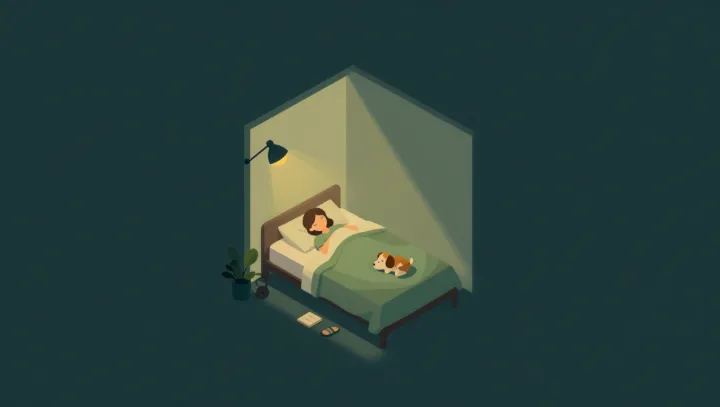
A bedroom that feels like a cave is not interior design drama; it is threat control. Cool air, near total darkness, and low noise reduce the data stream pouring into sensory cortex and relieve pressure on the brain structures that run constant risk assessment.
The blunt truth is this. Your amygdala and hypothalamus behave like overcaffeinated security guards when the room is warm, bright, or noisy, because every flicker or sound demands a micro decision about danger, driving sympathetic nervous system activity and cortisol release that delay sleep onset and keep heart rate elevated when it should be dropping.
By cooling the room, you match the natural drop in core body temperature that precedes sleep and support thermoregulation; darkness removes light input to the suprachiasmatic nucleus, which stabilizes circadian rhythm, boosts pineal melatonin secretion, and tells cortical networks to downshift; quiet strips away unpredictable auditory stimuli that would otherwise trigger orienting reflexes and keep the thalamus on alert relay duty.
The result is simple, if not glamorous. With sensory input throttled, the brain’s threat surveillance system has less to appraise, autonomic arousal falls, the homeostatic sleep drive can surface, and you slide into sleep instead of rehearsing every possible disaster in the glow of a bedside screen.