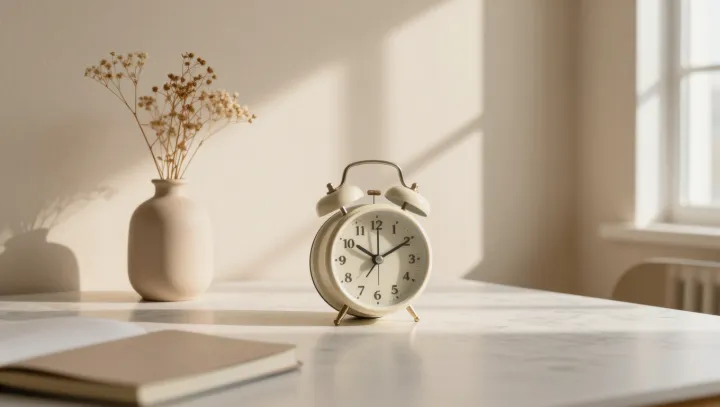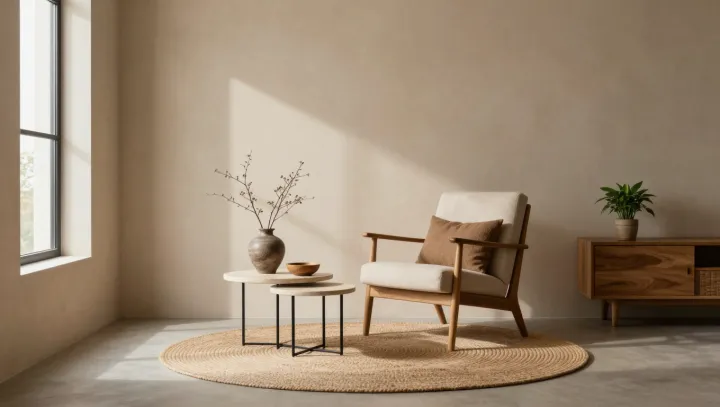
Light, not furniture, decides first how large a corner feels. A beam from the side, rather than overhead, boosts depth perception through stronger luminance gradients and cast shadows, which the visual cortex reads as extended volume. When that beam grazes the wall, it exaggerates edges and recesses, activating binocular depth cues and reducing the flat, compressed sensation that often fuels low‑level arousal.
Texture then does the quiet psychological work. Smooth, high‑gloss surfaces bounce light in hard specular highlights that raise sensory load and keep the autonomic nervous system slightly alert. Replace them with matte, finely grained finishes and you scatter light, damp visual noise and slow saccadic eye movements; studies in environmental psychology link that reduced micro‑motion to lower heart rate and calmer breathing, even when square footage stays identical.
Scale is the subversive variable. One compact, low‑slung chair against that textured, side‑lit wall creates negative space, which visual field theory treats as perceived margin. Oversized pieces, by contrast, push against boundary cues and make the same geometry read as cramped, elevating cortisol through crowding perception. Tune direction of light, soften surface reflectance, and edit furniture scale, and the corner stops shouting its limits.