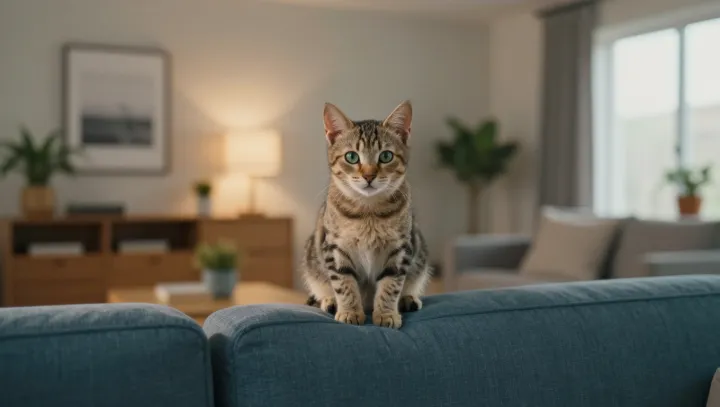
A soft purr on the sofa does more to your body than a wellness app. Within minutes of watching a relaxed kitten, studies on animal assisted intervention show measurable drops in heart rate and cortisol, as the stress response backs off and a slower, recovery mode takes control.
The real driver is not sentiment but chemistry. Visual contact with a calm animal boosts oxytocin release from the hypothalamus, which in turn dampens sympathetic nervous system firing and supports parasympathetic nervous system dominance, so blood vessels loosen, heart rate variability rises, and the body shifts from threat to repair without any change in your external schedule or workload.
More quietly radical is what happens in the brain. When your gaze locks onto slow, predictable movements of fur and whiskers, the amygdala receives fewer threat signals, the prefrontal cortex gains regulatory control, and attentional networks stop scanning for digital alerts or social conflict, a pattern that cuts the feed to the hypothalamic pituitary adrenal axis and trims the next cortisol spike before it peaks.
Skeptics call this a distraction; physiology calls it a targeted reset. By tying a concrete, repeatable behavior watching a resting kitten on your own sofa to measurable markers such as lower blood pressure and improved heart rate variability, researchers are turning a domestic scene into a low tech, side effect light intervention for everyday stress management.