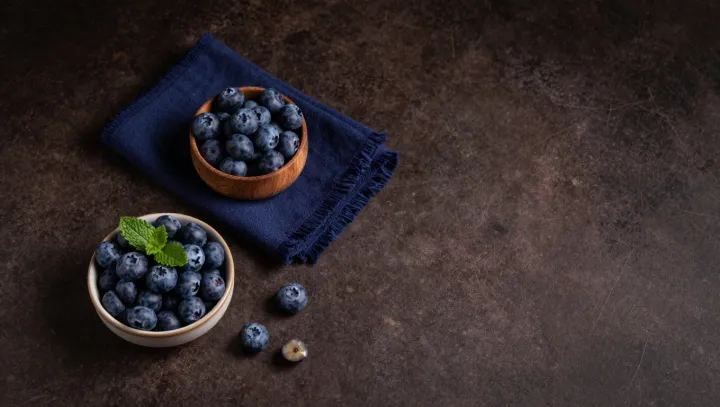
A handful of blueberries behaves less like a fruit bowl treat and more like concentrated lab stock. One small serving, roughly half a cup, carries a dense load of anthocyanins and vitamin C while barely moving the calorie counter, creating an efficiency that most packaged superfood snacks simply do not match.
The bold claim is this: dessert sweetness can coexist with clinical antioxidant density. Blueberries owe that edge to anthocyanins, the pigments that give them their deep color and act as potent reducing agents in oxygen radical absorbance capacity assays, and to a broad matrix of polyphenols that work alongside dietary fiber to slow glucose absorption and modulate oxidative stress at the cellular level.
Many bars and powders marketed as superfood rely on added sugars or concentrated syrups to be palatable, which inflates energy intake while diluting antioxidant power per calorie. Blueberries, by contrast, keep sugar naturally paired with water, fiber, and intact plant cell structures, so the ratio of total phenolic content to calories stays tight, and the net antioxidant capacity per bite remains high.
The uncomfortable truth for the snack aisle is simple. When antioxidant yield is measured against caloric cost, unprocessed berries compress more protective compounds into fewer bites than many branded products that taste more like compromise than dessert.