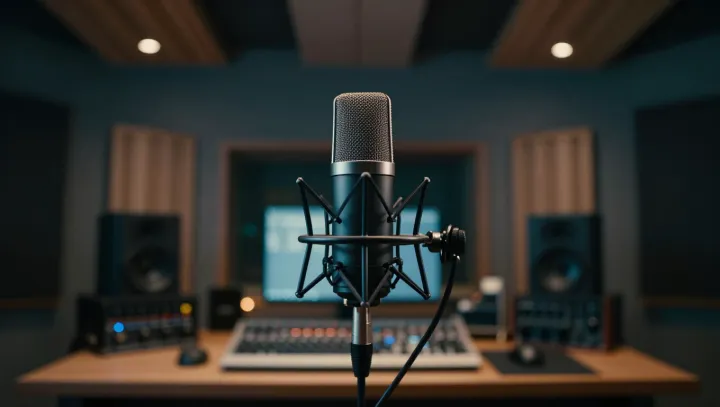
Cramped booths became command centers. Their thick doors and foam, once about isolation, suddenly protected continuity as studios went remote and still had to deliver radio-ready tracks on deadline.
The surprising shift was that silence stopped being the product and became the infrastructure. Booths turned into low-noise endpoints in a distributed system, feeding dry vocal stems and DI signals over high‑bandwidth links into shared DAW sessions, where engineers chased latency figures under ten milliseconds to keep takes usable.
Less obvious is how this rewired power inside the industry. Producers began to treat every treated closet as part of a global cluster, relying on session templates, timecode, and sample‑accurate grid alignment so that a bass line tracked in one city could drop into a drum project in another without phase smear or timing drift.
The quiet revolution sat in the signal chain. Talkback mics, once casual, ran through always‑on video rooms; cloud storage replaced local drives for multitrack archives; version control habits from software teams crept into naming conventions and backup routines. Air stopped being shared, but clock signals and upload queues had to lock tighter than ever.