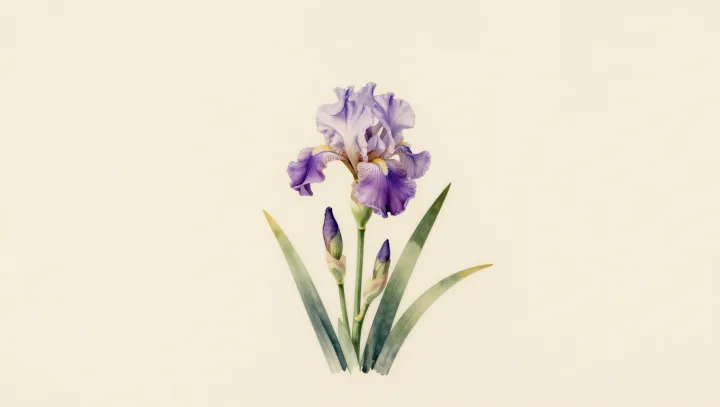
Those extravagant iris petals are not luxury. They are engineering. Each ruffle, fold and flare shapes how a bee enters, moves and exits the flower, trading structural strength for behavioral control and higher odds that pollen lands exactly where it must.
The real surprise is how physical the design is. Broad, drooping falls act like landing pads, while upright standards form a partial tunnel that steers insects past the anthers and stigma. Fluid dynamics, not just color, matters here: the pleated edges slow airflow, trapping volatile scent molecules and concentrating fragrance near the entrance, a kind of low-tech diffusion chamber that keeps pollinators on target.
Color is weaponized, too. Irises pack ultraviolet nectar guides into those ornate veining patterns, which for many bees function like runway lights, visually funneled by the curved surfaces and ridges. The thin, delicate tissue costs more water and carbohydrates to build, yet it lets the plant maximize surface area for pigment cells and osmophores, the glands that release scent, without the mass of a thick, rigid petal.
That trade is ruthless. A simpler, tougher flower might survive wind better, but would waste visits, with more insects missing the stigma or brushing past the pollen only weakly. The ruffled iris funnels most visitors through the same narrow corridor, increasing pollen transfer efficiency per visit and justifying the steep energy bill.