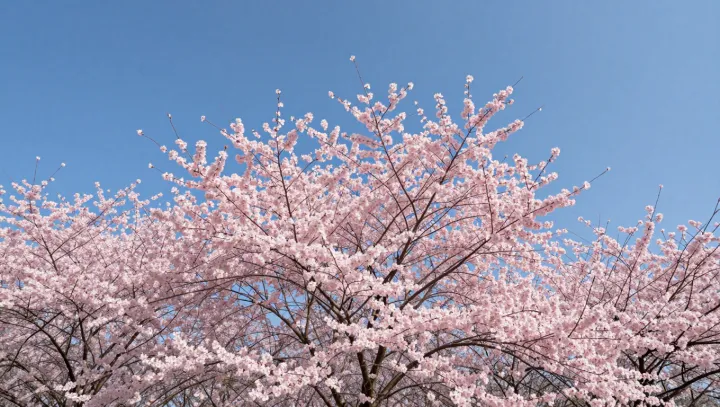
Cherry blossoms are adored not despite their speed, but because they disappear so fast. Pale petals hang for days, then fall in a single gust that strips branches bare and carpets the ground with a fading blur of pink and white.
Beauty, here, is engineered around an ending, not a beginning. Botanists point to the tree’s brief anthesis and fragile corolla structure, a design that maximizes pollination while guaranteeing rapid decay, and cultural traditions seized on that biological countdown, building calendars, poetry, and viewing rituals around a bloom that is already half gone when crowds arrive beneath it.
Perfection, in this script, is never stable, only timed. Philosophies of impermanence folded the blossoms into a moral lesson, linking their programmed senescence to human mortality, and the annual rush to photograph peak bloom, to schedule travel around a window measured in days, shows how people now equate authenticity with catching the exact moment before loss, as if beauty only becomes real when the clock is almost out of time.