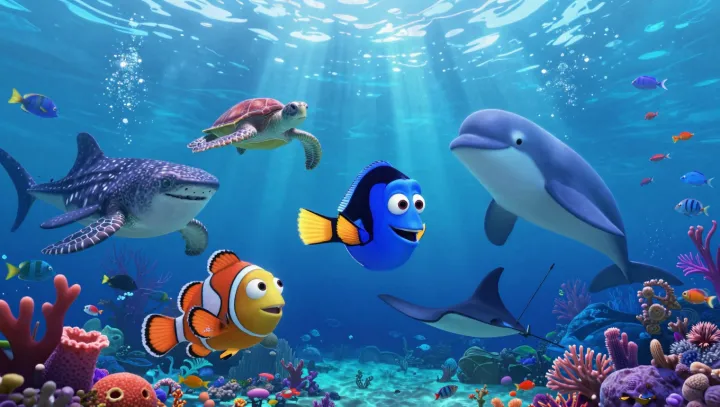
Shared territory on a reef is not a polite truce. It is a negotiated energy deal enforced by physics and anatomy. Sea turtles run on a slow budget. Sharks burn fuel fast. That contrast, not harmony, keeps both on the same stage without constant bloodshed.
Built for endurance are turtles, with lungs that store large oxygen reserves and a digestive system tuned to low-calorie seagrass and jellyfish. Their metabolic rate stays low; they can glide, rest on ledges, and feed unhurriedly, turning cellulose and gelatinous tissue into long-term energy rather than sprint power.
Running a very different account are reef sharks. Streamlined bodies, dense red muscle, and high aerobic metabolism demand frequent protein-rich meals. They patrol, accelerate, and use sensory tools such as the lateral line system and electroreception to detect injured fish or careless juveniles, not every turtle that passes by.
Key to the uneasy balance is niche partitioning. Turtles graze seagrass meadows and crop algae, reshaping primary production and keeping coral surfaces clear. Sharks target schooling fish and weak animals, acting as top-down regulators in trophic cascades. Their diets only partially overlap, so each taps a different energy stream.
Time and space finish the deal. Many turtles browse in shallows or rest in crevices when sharks are less active, and their heavy shells and large size make an adult a low-return target. Predation hits mainly eggs and hatchlings. So the reef holds both browser and hunter, linked by the same food web yet rarely forced into direct conflict.