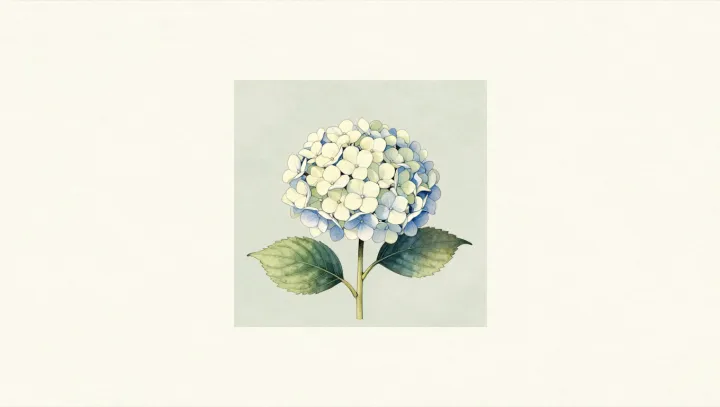
Old-fashioned is the wrong label for the hydrangea. Under heavy shears, this shrub accepts severe pruning, then redirects stored carbohydrates through dormant buds, rebuilding its dome of blooms as if nothing happened. Where many ornamentals sulk after a hard cut, hydrangeas often increase flowering density, turning horticultural stress into structural renewal.
More radical still is its quiet chemistry. Soil does not just host the plant; it edits its color. In acidic conditions, aluminum ions become more available, bind with anthocyanin pigments in the sepal tissue, and push the flowers toward blue. Shift the pH upward, reduce aluminum solubility, and the same genetic plant leans pink or purple. No drama. Just ion exchange and pigment complexes doing their work.
That mute adaptability has made the shrub feel oddly contemporary. Gardeners talk about pruning regimes and cation exchange capacity, yet what they showcase is a living model of emotional reframing: cut back, it regroups; relocated, it recalibrates; chemically provoked, it changes hue without surrendering form. In a culture obsessed with reinvention, the hydrangea simply absorbs the change and keeps its poise.