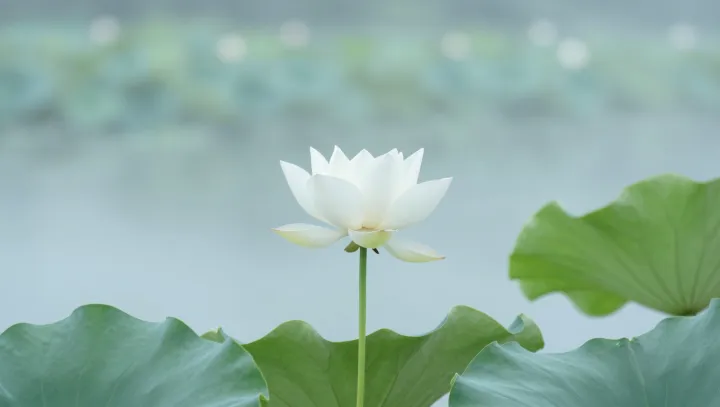
A flower that stains easily should not sell purity. Yet the lotus, with petals often speckled by algae, silt and insect damage, was promoted into a spotless emblem across religious and artistic traditions. That upgrade did not come from botany. It came from selective vision and relentless repetition in ritual and image.
The blunt fact is that worship demands editing. Religious art stripped away the pond, the rot, the fish waste, and framed only a symmetrical corolla rising above stylized water. Hindu and Buddhist iconography turned this wetland perennial into a platform for deities, while doctrinal texts borrowed its visible trick of emergent growth to preach detachment: roots in muck, bloom in air. Over time, painters and sculptors erased mud spatters and insect scars, then copied those cleaned-up models, producing an iconographic feedback loop that rewarded visual hygiene over botanical accuracy.
Equally revealing is what never made the cut. The plant’s aerenchyma tissue, its cuticle, its microbial film on stems, all essential for gas exchange and survival in anaerobic sediment, carried no moral value, so they vanished from the story. Ritual manuals praised the flower’s whiteness and fragrance while ignoring its seasonal decay and nutrient cycling. As liturgy, manuscript marginalia and temple reliefs kept repeating the same immaculate template, the real lotus was quietly demoted to background biology, and the perfected lotus took its place in the human imagination.