Why Minimalist Stills Feel So Unusually Calm

Minimalist still-life photos feel calm because large negative space reduces visual clutter, easing visual cortex processing and working-memory load.

Minimalist still-life photos feel calm because large negative space reduces visual clutter, easing visual cortex processing and working-memory load.

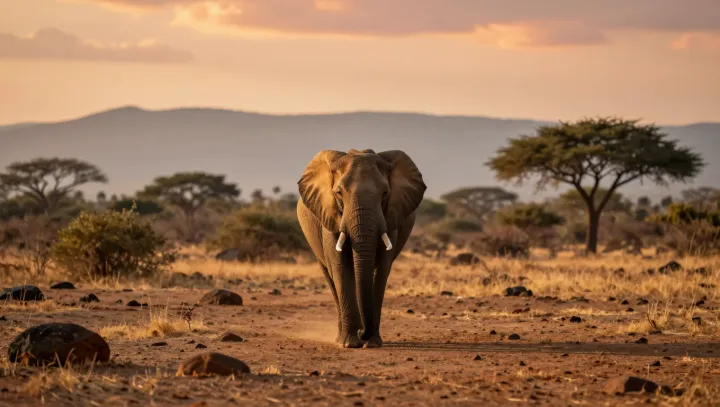
Baby elephants avoid sinking and joint damage through pressure spreading fat pads, elastic tendons, and dynamic gait that turns each step into a controlled, low impact landing.
2026-09-03

Autumn leaves on wet asphalt look “composed” because physics, color perception, and Gestalt grouping force them into high-contrast paths that echo expert photographic rules.
2026-08-24

Explains how a stag avoids freezing in open snow by using hollow fur, dense undercoat, countercurrent heat exchange, peripheral vasoconstriction, and controlled metabolism to trap heat and limit loss.
2026-09-02

The piece argues that fantasy favors teenage chosen heroes because their high-risk, high-learning brains mirror a culture’s hunger for rapid change and moral experimentation.
2026-09-01

A calm, hand‑drawn forest scene can carve deeper, longer emotional traces than rapid action cuts by aligning with core memory systems tuned for stillness, coherence and bodily safety.
2026-08-25

Caramel piled with nuts can register as less sweet because fat, texture contrast, and sensory adaptation reshape how the brain encodes sugar intensity.
2026-08-28

Low-angle, cooling sunlight can still drive fierce alpine color because of longer optical paths, selective atmospheric scattering, and mineral-specific reflectance on broken rock faces.
2026-09-04

Gentle swaddling in a sling calms kittens by activating pressure-sensitive nerves, boosting vagal tone, and lowering cortisol, echoing deep pressure effects in human infants.
2026-09-04

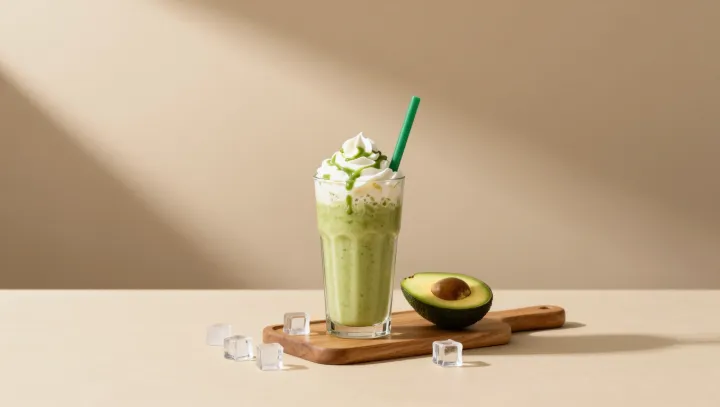
Avocado shakes gain a health halo, yet sugary dairy, syrups and toppings can push them past soda in sugar and calories while still looking virtuous.
2026-09-04

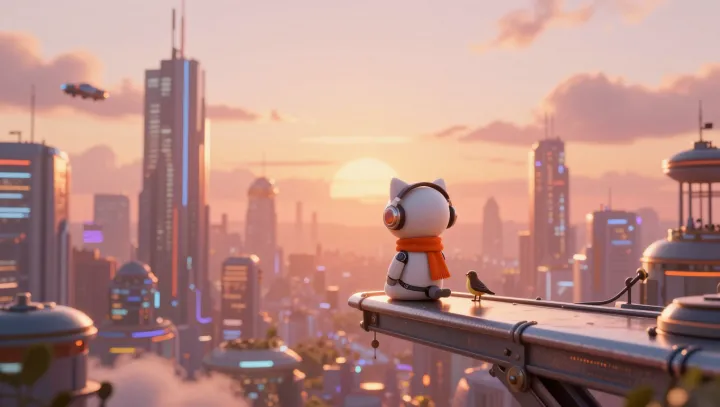
A tiny cat‑eared aerial robot in flying‑car traffic needs vision beyond any bird, blending neuromorphic sensors and event‑based cameras to survive glare, height and split‑second decisions.
2026-08-24