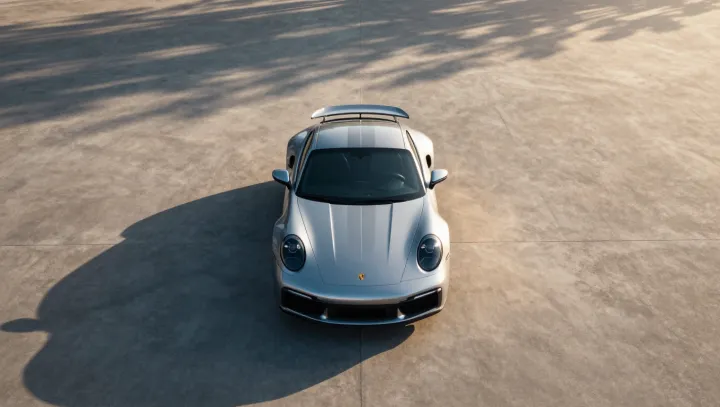
The uncomfortable truth for power addicts is simple: at high speed, air is the real opponent, not the engine spec sheet. A Porsche storming down a straight is fighting a force that rises with the square of velocity, and the power required to punch that air wall climbs roughly with the cube, according to basic fluid dynamics and the drag equation.
This is why trimming aerodynamic drag often buys more genuine speed than bolting on extra horsepower. Each small cut in the drag coefficient or frontal area lowers the resistance load at every increment of velocity, so the same engine output can carry the car to a higher terminal speed before thrust and drag balance out. Add power instead, and you hit brutal diminishing returns: doubling top speed would need on the order of eight times the power because the aerodynamic drag force and the associated power demand soar so quickly.
The effect is not only about headline vmax runs. Reduced drag also eases the continuous power draw at typical highway pace, which means lower fuel consumption, steadier cooling demands, and more margin for acceleration when the driver asks for it. On a road course, a cleaner body and underfloor let the car reach higher speeds on every straight without stressing the powertrain as severely, while careful work with devices such as diffusers and active shutters lets engineers keep useful downforce and preserve stability even as they peel away wasted drag.