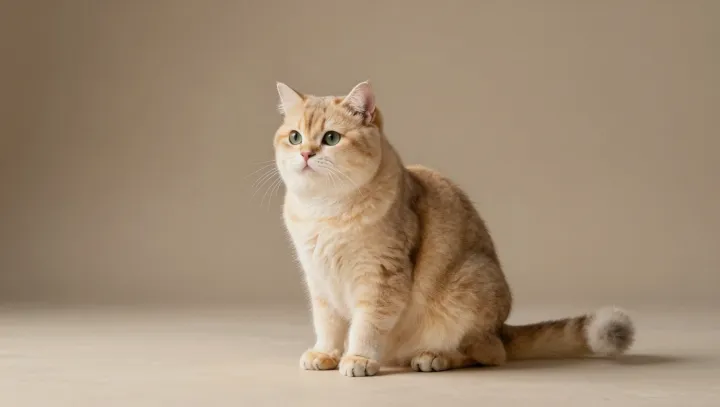
Domestic life with a cat is less a family drama and more a quiet interspecies negotiation. On one side of that bargain, say ethologists, sits a simple fact: the animal is not assigning you a parental role, nor slotting you into a servant caste, but applying the same low-key social codes it would reserve for a trusted cat.
This claim runs against the popular script of “fur baby” or “tiny tyrant.” Yet observations of affiliative behavior suggest something more lateral. When a cat head-bumps your leg or cheeks your hand, it is performing bunting, a scent-marking behavior used in relaxed contact with familiar conspecifics. Slow blinking, a favorite of social media, tracks closely with what researchers classify as a distance-reducing signal, comparable to a soft gaze between mutually tolerant cats that have no need for threat displays or flight.
Even the classic lap sprawl looks less like infant dependence and more like peer-level co-sleeping. Studies of proximity-seeking and social buffering show that many cats treat their person as a secure base, yet they still retain autonomous grooming, territory patrols, and self-directed play, patterns that mirror loose feline colonies rather than vertical family hierarchies. That mix of shared space, scent exchange, and voluntary contact is not the script of a baby or a boss. It is the script of a cat that has quietly decided you count as one of its own.