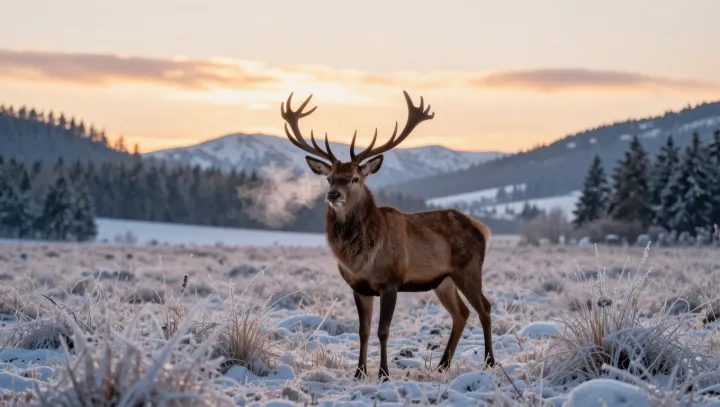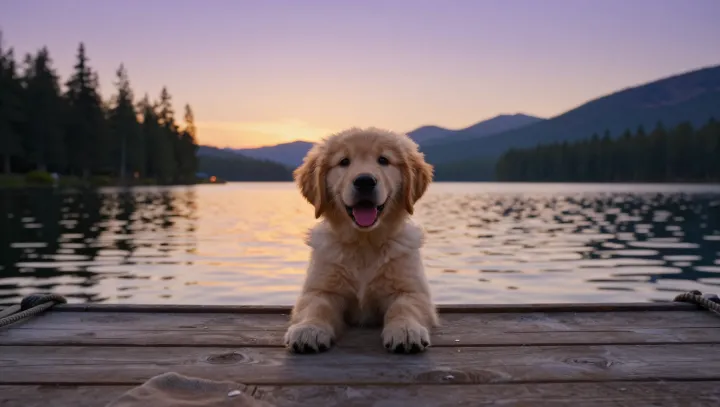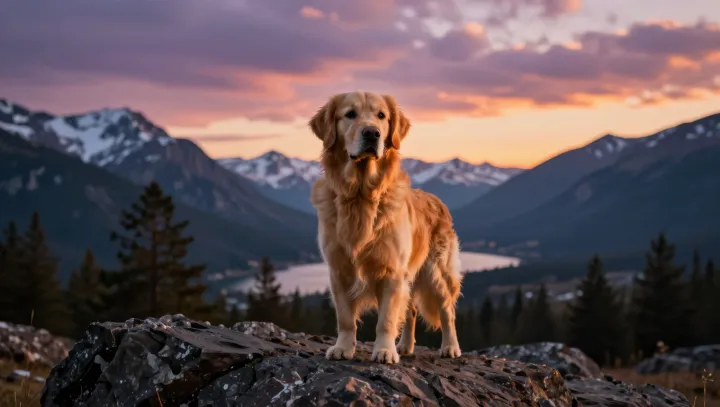
Fading light does more for your dog than any new toy. As the sun drops and the air cools, scent molecules settle closer to the ground and travel in more stable plumes, turning an ordinary trail into a dense information grid for a nose built around a massive olfactory bulb and hyperactive vomeronasal organ.
The real surprise is that a short sunset hike can trigger older software than any obedience class ever touches. When contrast falls and shadows stretch, canine photoreceptors feed a quieter visual stream, which frees neural bandwidth for scent processing and kicks ancient search patterns, inherited from wolf foraging behavior, back online. One turn onto an unfamiliar dirt path, one patch of scrub holding layered scent signatures from rabbits, foxes, and other dogs, and your pet stops pacing the same sidewalk loop and starts running micro‑surveys, zigzagging to triangulate odor gradients through a process ethologists label air‑scenting.
So the small bet is this. Swap one routine block walk for a slow, off‑pavement sunset loop and your dog’s brain will reallocate resources, from rote motor memory toward exploratory circuits in the hippocampus and limbic system, using the cooler, denser air as free sensory leverage. You see a pretty sky. Your dog reads a moving map.