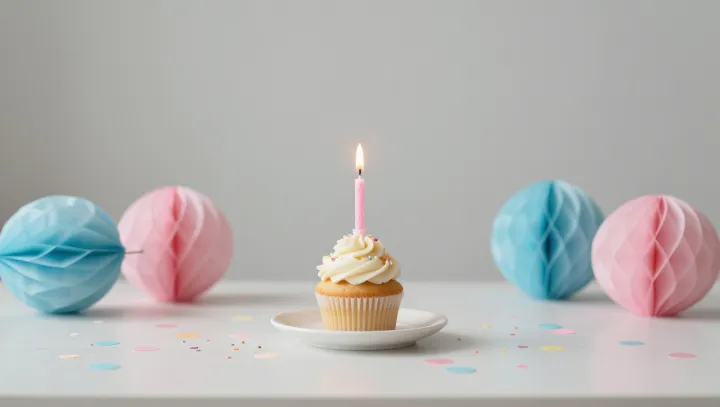
That cupcake is not a minor lapse. It is a signal flare from reward circuitry trained over a lifetime of parties, candles, and applause. Studies using functional MRI show that images of birthday scenes, even without food, activate the ventral striatum and orbitofrontal cortex, the same valuation hubs that respond to sugar itself. When frosting then enters the frame, the neural response stacks, like two audio tracks amplifying each other, and restraint must fight a signal that has already been pre‑boosted by celebration cues.
Blaming willpower alone misses the engineering. Repeated pairings of song, bright plates, group attention and sweet taste create classical conditioning, but layered inside social reward pathways and dopaminergic prediction error signals. The brain does not just expect sugar; it predicts belonging, status and relief from awkward small talk. Say no, and those circuits register a loss, not just of calories but of ritual participation. No wonder the prefrontal cortex, responsible for inhibitory control, often loses that internal negotiation before you even reach for a napkin.
The uncomfortable implication is this. Personal discipline campaigns that ignore these learned associations set people up to feel defective. Behavioral scientists now test interventions that target cue exposure, attentional retraining, and habit reversal rather than lecturing about grit. Adjust the environment, dim the trigger strength, and the same brain that once surrendered to the cupcake can sit through the song with coffee, while the frosting becomes just another prop on the table.