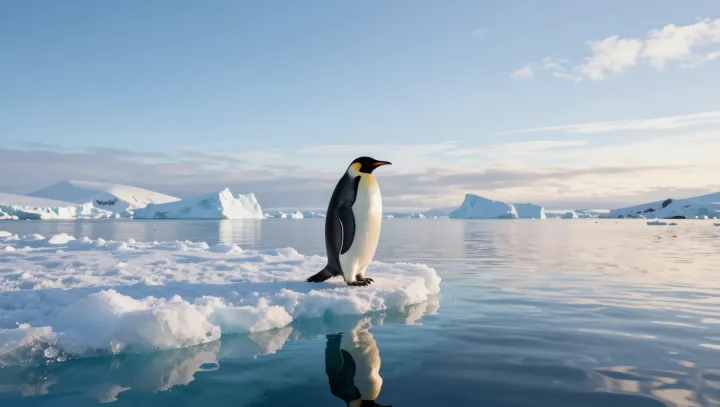
Sunlight exposes the split. Across Antarctic ice, a penguin's black dorsal plumage can take in more solar energy than its white underside, because dark feathers absorb more incoming radiation while pale feathers return more of it skyward. The effect is quiet. It can still alter the bird's heat balance where ice, wind, and direct light converge.
This is no cosmetic quirk. In radiative heat transfer, surface color changes solar absorptance: dark plumage captures more shortwave energy, while white plumage reflects a larger fraction. Heat follows physics. Insulation and convective heat loss then help determine whether that absorbed warmth stays near the body or escapes into polar wind. The contrast may influence the local heat budget when sun reaches the back and the belly faces snow.
The lesson reaches past plumage. A penguin is not a solar panel, yet its color layout resembles a thermal circuit: radiative heat transfer supplies the input, feather insulation regulates flow, and posture can alter exposure. Biology gets practical. For passive thermal management, the model suggests surfaces that selectively absorb or reject sunlight without motors, fuel, or software. The larger wager is bolder. Materials that manage uneven heat autonomously could turn a survival trait into a design rule for habitats, clothing, and field equipment. That would shift heat control from an active burden to a property built into an object's skin.