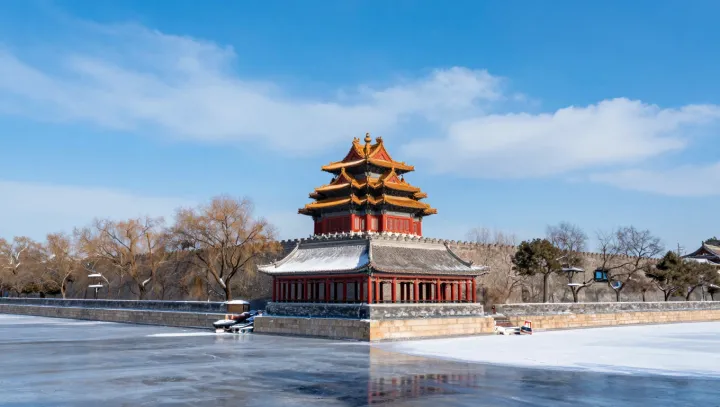
A fire-water vessel is only as useful as the water inside it. In freezing weather, a supply left unattended could turn solid just when a wooden palace needed it most. The answer was direct: apply heat beneath the vessel and cover the water to slow heat loss.
The method was practical, not foolproof. A charcoal fire beneath a metal vessel transfers heat through conduction, while convection circulates warmer water within it. A cover reduces heat loss from the exposed surface, helping the supply remain liquid. The fire, however, needs fuel and attention; a cover alone cannot indefinitely prevent freezing when the surrounding air stays cold. Nor does water have to freeze solid to become difficult to use: ice forming at the surface can obstruct access.
The arrangement carried its own contradiction. Combustion could keep firefighting water available, yet an open flame near wooden buildings demanded care. A vessel also protected only the area that people could reach quickly with buckets or other equipment; keeping water liquid did not extinguish a fire by itself. The distinction matters. Heat preserved a chance to respond, not a guarantee of safety. Beneath a winter cover, the water waited for the danger its small fire was meant to meet.