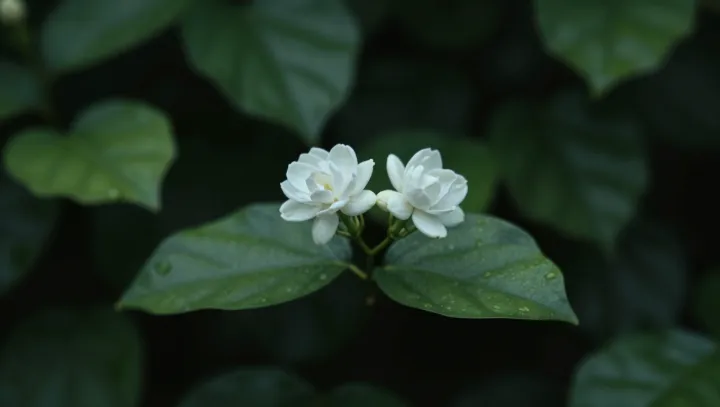
A lush jasmine can be a poor bloomer, its glossy leaves concealing a mismatch between the conditions that support growth and those that encourage flowers. Leaves are not promises. When light is scarce or nitrogen abundant, the plant may invest in stems and foliage rather than producing the buds its owner expects.
Light is often the first suspect. Through photosynthesis, leaves turn light into chemical energy; when a jasmine receives too little, it may lack the resources to support generous flowering even as its existing foliage stays green. Move it toward brighter conditions gradually, checking the needs of the particular species. Fertilizer can compound the problem: nitrogen supports vegetative growth, and an excess can favor leaves at the expense of flowers. More is not better. Follow the product label rather than feeding repeatedly in the hope of forcing buds, and avoid assuming that every flowerless plant needs fertilizer.
Pruning presents a quieter risk: a well-intentioned cut may remove the shoots or buds that would have flowered. Timing depends on the species, so identify the plant and learn whether it blooms on growth from the current or previous season before reaching for shears. Temperature matters too. Some jasmines require a period of cooler conditions to initiate flowering, while others have different needs. A plant can therefore look healthy and still be waiting for a cue its surroundings have failed to provide. In the crowded green, the missing flowers mark a choice shaped by circumstance.