
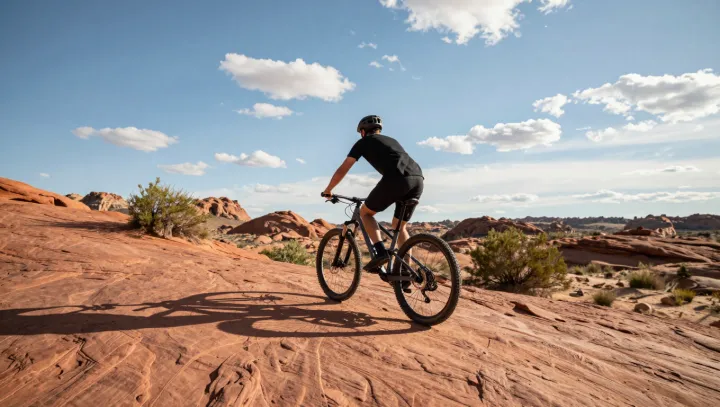
How Desert Riders Read Sandstone
Desert mountain bikers treat faint shifts in sandstone color and texture like road signs, using contrast, micro‑shadows and muscle memory to avoid hidden edges and sudden loss of traction.
2026-09-07
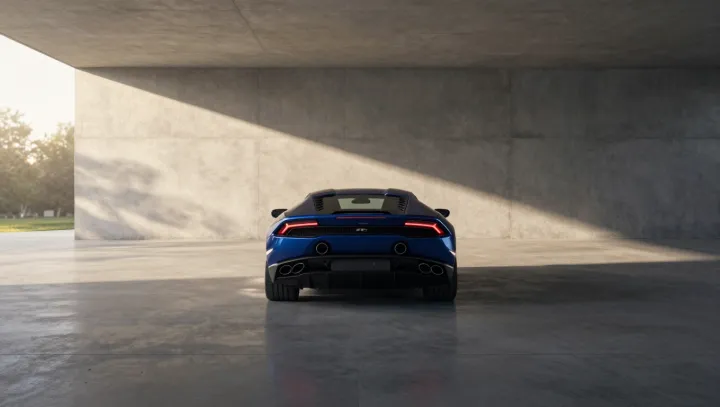
When a Parked Lamborghini Beats Small Planes
A parked Lamborghini often has lower drag and cleaner airflow management than many light aircraft in flight, exposing how road car aero can surpass basic general aviation design.
2026-09-07
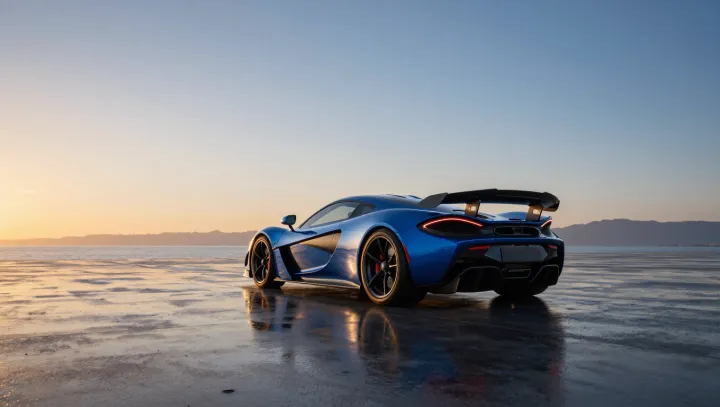
Why Blue Supercars Turn Almost Black at Sunset
Bright blue supercars can look nearly black at sunset because rods overpower cones in low light, exposing how human vision misjudges color when illumination shifts toward red.
2026-09-04
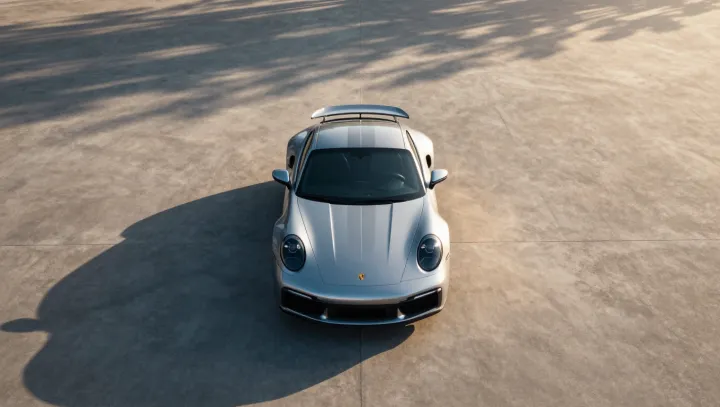
Why Drag Beats Horsepower On Real Roads
High-performance cars gain more usable speed by cutting aerodynamic drag than by adding power, because drag grows with velocity squared and demands disproportionate power.
2026-09-04
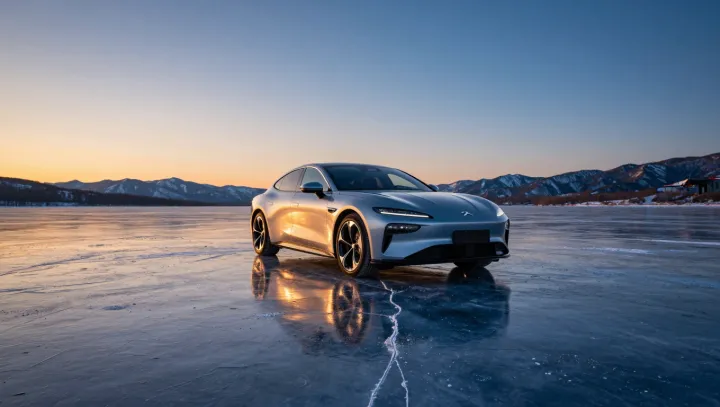
Why Heavy Cars Sit Safely On Fragile Ice
A parked car can stand on a frozen lake at sunrise while a single human step can crack it because of load distribution, slower loading rate, and ice fracture mechanics.
2026-09-03
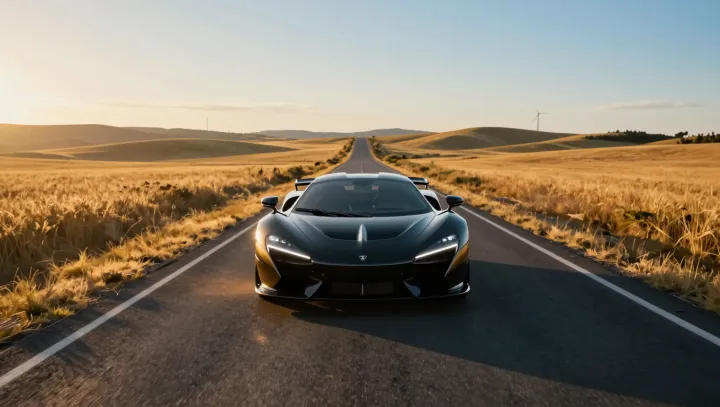
When a Parked EV Quietly Balances the Grid
An electric concept car can stabilize remote wind farms by acting as a bidirectional battery node, using vehicle-to-grid control, inverters and smart markets to absorb surplus and feed power back.
2026-09-02
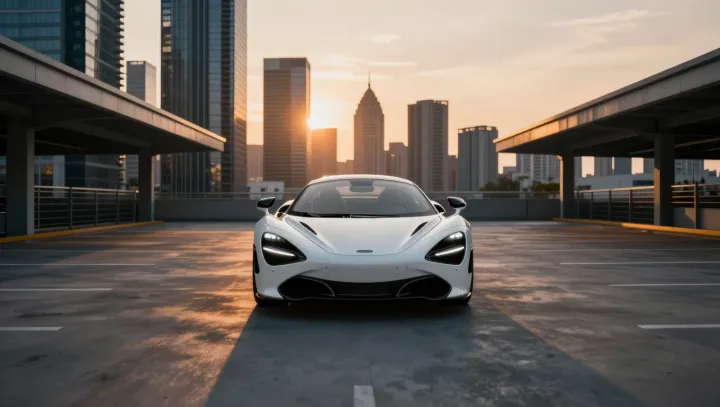
Why Supercars Go Soft In Hot Rooftop Garages
Supercars often feel slower in hot rooftop garages because heat-soaked intake systems, intercoolers, and ECUs erase the power gains that cooler evening air should provide.
2026-09-02
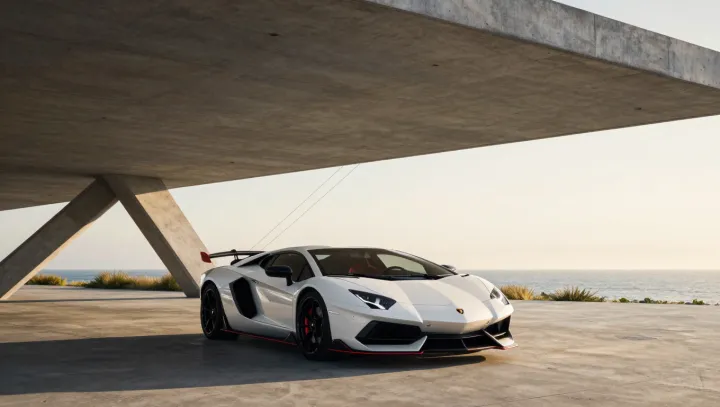
Why Ultra-Low Supercars Like Crosswinds
Ultra-low supercars gain stability in crosswinds because their ground-hugging bodies and underbody aerodynamics convert side gusts into extra downward force rather than lift.
2026-09-02
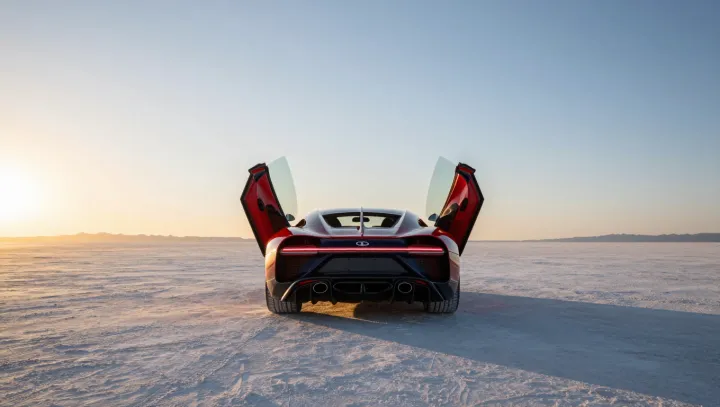
Why the quickest Bugattis worship air
Extreme‑speed Bugattis hit their numbers not by piling on power, but by turning air into a controllable tool through drag reduction, downforce management and thermal stability.
2026-09-02
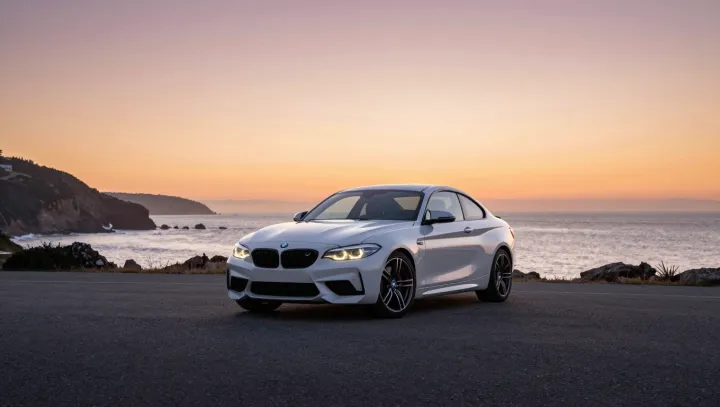
Why road‑legal cars chase race‑only speed
Performance brands invest in extreme aero and suspension not for traffic, but for heat, safety margins, regulation, motorsport transfer and brand pricing power.
2026-09-01
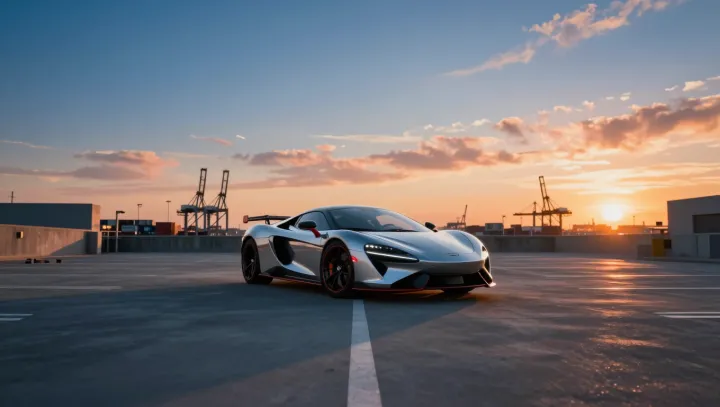
Why sleek coupes live in the wind tunnel
Story explains why designers still chase tiny drag reductions on sleek coupes, since at highway speeds most fuel goes into aerodynamic drag, and small Cd gains bring large lifetime savings.
2026-09-01
The Three Car Insurance Lines That Matter
Drivers chase low premiums but ignore how liability, collision, and comprehensive actually set the ceiling on financial ruin after a crash or theft.
2026-09-01
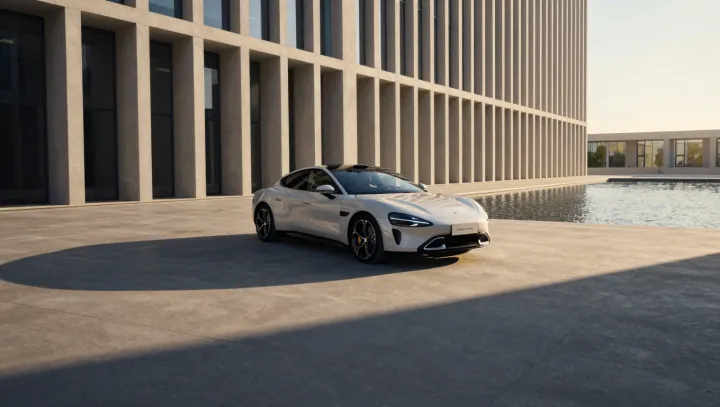
Why Sedans Now Resemble Rolling Airfoils
Modern sedans borrow from airfoil physics: low, smooth bodies reduce aerodynamic drag by over 30%, cutting fuel use and wind noise while reshaping how mass‑market cars are engineered.
2026-09-01
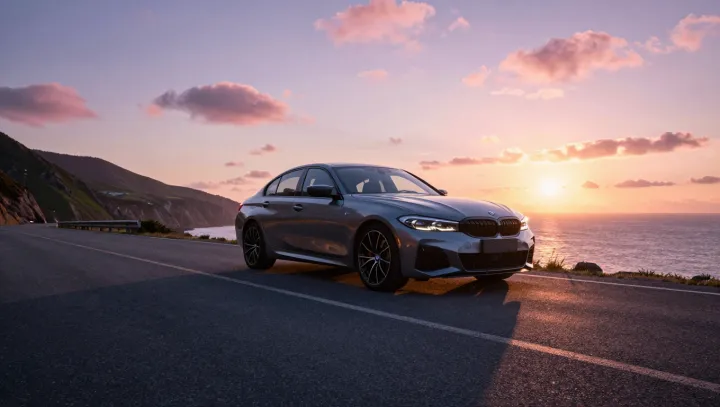
Why a Family Sedan Can Outcorner Old Race Cars
Modern sedans can corner faster and safer than many older race cars on cliffside roads because of stability electronics, torque vectoring, and advanced tire compounds.
2026-08-31
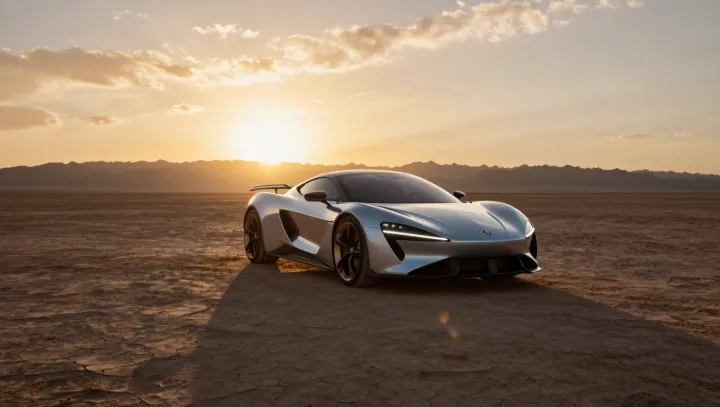
How a Supercar Pins Itself to Asphalt
A low supercar on flat ground can generate downforce greater than its own weight by using inverted wings, pressure differentials and ground effect to turn speed into vertical load.
2026-08-31

Why a Steel Giant Floats Like a Toy Boat
A 500‑ton steel yacht floats for the same reason a hollow plastic toy boat does: both displace enough water to balance their weight, as described by Archimedes’ principle.
2026-08-31
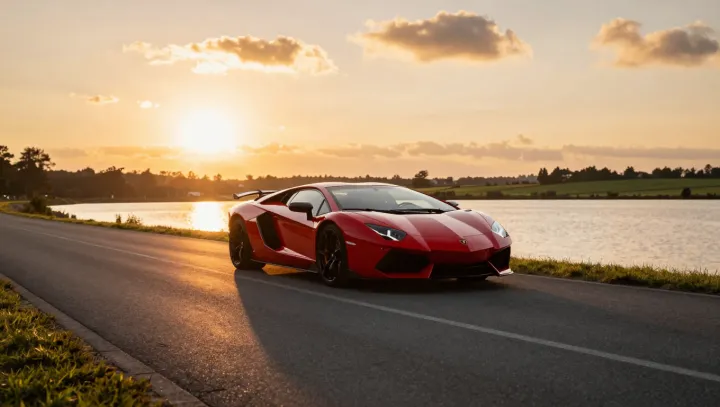
How Supercars Stay Cool on Calm Roads
A calm, sunset road can force a supercar to run full race-spec cooling, grip, and aero, because low speeds, hot air, and long gradients punish every thermal and dynamic margin.
2026-08-28
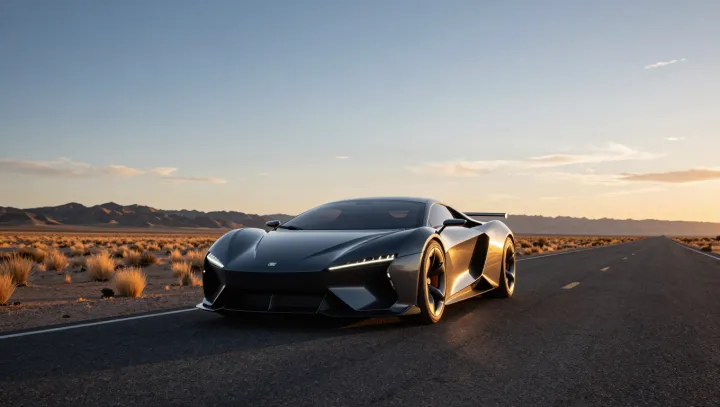
Why Some Sports Cars Sip Fuel At Higher Speeds
Modern sports cars can hit a sweet spot of peak fuel efficiency and low mechanical stress at brisk highway speeds through tall gearing, turbo boost mapping and low drag aerodynamics.
2026-08-28
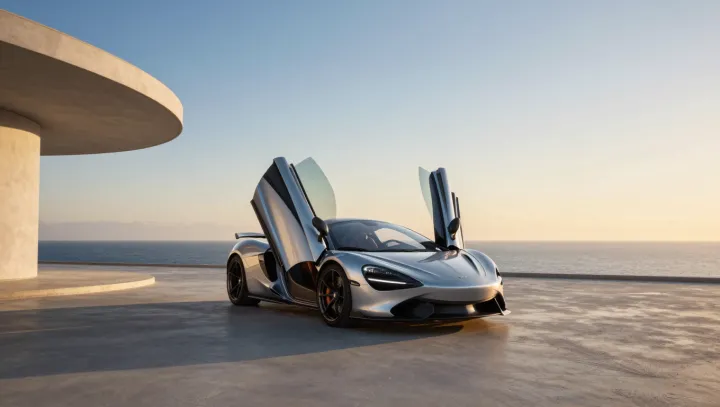
Why Empty Concrete Makes a Lamborghini Pop
Angular concrete, low sunset light and a white Lamborghini create extreme contrast and visual isolation that hijack human attention more efficiently than a noisy urban backdrop.
2026-08-27
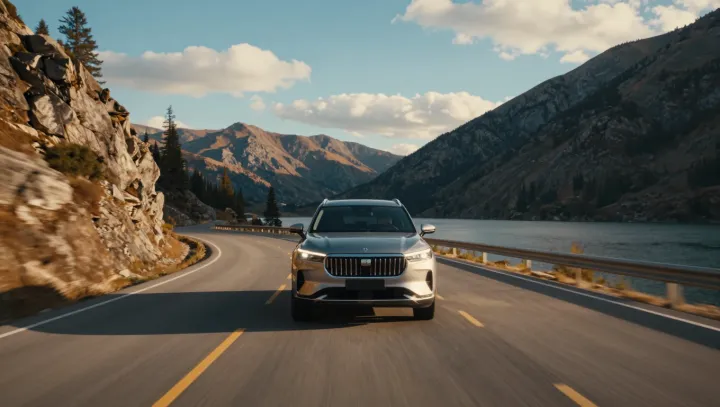
The Physics Hiding Inside Road Paint
A short report on how white lane markings encode optics, kinematics and human perception to steady drivers on twisting mountain roads.
2026-08-24