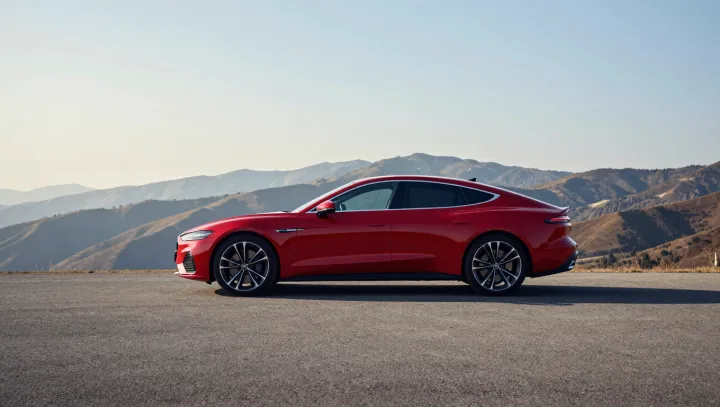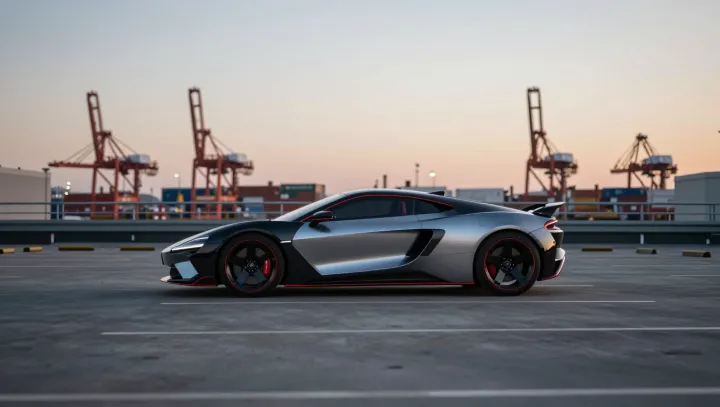
A parked sedan now rivals a server rack. With dozens of processors, high-bandwidth networks and solid-state memory, a modern car already behaves like a rolling data center, constantly sampling its surroundings and its own mechanical state. The next generation of vehicles is on track to generate more raw information in a single day than a household full of phones, laptops and smart TVs combined.
Cameras, lidar, radar and ultrasonic sensors feed continuous streams into on-board systems running sensor fusion and real-time inference. Instead of offloading everything to the cloud, vehicles lean on edge computing to keep latency and bandwidth under control. Raw telemetry, high-resolution video and powertrain diagnostics create a firehose of bits that must be compressed, tagged and selectively stored. Underneath the user interface, it is all about data throughput, input-output operations and memory bandwidth rather than horsepower and torque.
This shift rewrites the architecture of the car industry. Automakers are redesigning electronic control units into centralized compute platforms, more like modular servers than discrete mechanical parts. Cybersecurity, data governance and over-the-air update pipelines become as critical as brakes or steering. As household screens stay mostly passive, the car turns into the most data-intensive device most people will ever own, quietly logging, learning and negotiating the world at machine speed.