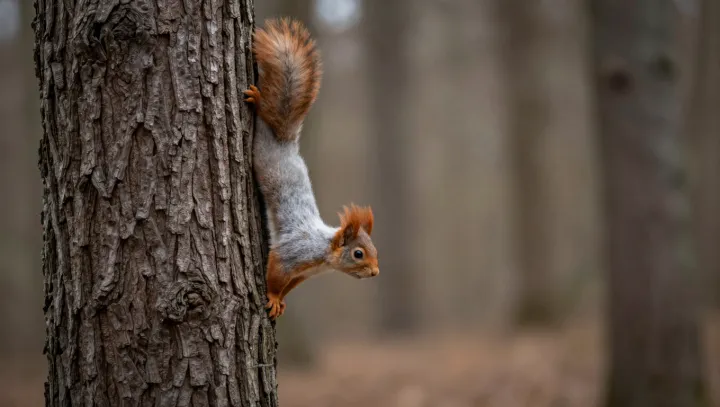
Fur lies flat against snow while the body beneath it is colder than ice. The Arctic ground squirrel survives winter by letting its core temperature fall below the freezing point of water, yet it avoids the infections, organ damage, and shock that would threaten a human under the same conditions.
Instead of resisting the cold, the squirrel shuts down its energy demand. Its basal metabolic rate drops to a tiny fraction of normal, and blood flow slows so much that tissues enter a controlled stasis. Ice formation is kept outside cells, while specialized proteins and membrane lipids prevent the lethal rupture that uncontrolled freezing would cause. Periodic, brief warm-up bouts restore circulation and repair, then the animal re-enters deep torpor.
The immune system also shifts strategy. Rather than mounting constant inflammation, which would be wasteful at low metabolism, key immune cells become tolerant yet remain ready to react during those short warm phases. Together with precise thermoregulation in the brain’s hypothalamus and altered gene expression in the liver and heart, this choreography keeps the animal from “catching a cold,” even as its body hovers at temperatures that would send a human into crisis.