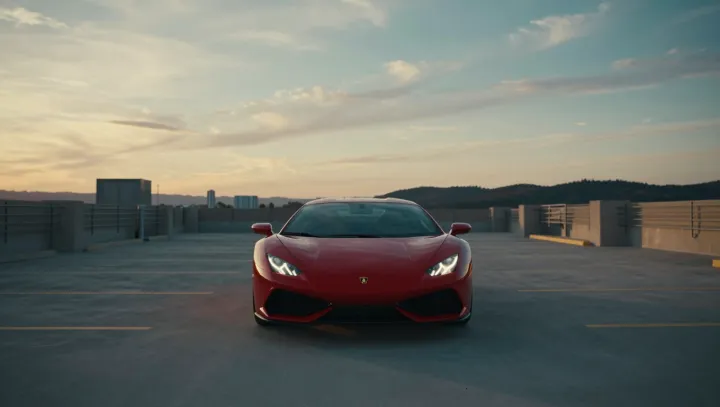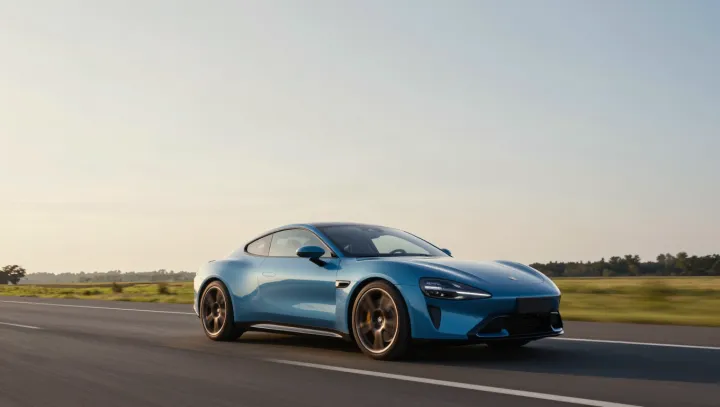
An empty stretch of asphalt where a car has just pulled aside looks like a gift. It is often a trap. What you see is only the absence of one vehicle; what you do not see can include a stopped car, a cyclist, debris or a lane ending just beyond your sightline.
The safer choice, many instructors argue, is to hold position behind. That pause buys perception time and preserves braking distance, two variables that traffic safety research links directly to collision severity and avoidance rates in lane-change maneuvers. By staying put, the driver keeps a predictable trajectory, which reduces the chance of side-impact conflicts with vehicles in adjacent lanes reacting to the same sudden opening.
More counterintuitive is the information gap. When the lead car moves aside abruptly, it signals that its driver reacted to something you still cannot fully observe because of occlusion and blind spots. Treat that as an information deficit, not an invitation. Only once the reason for the move is clearly visible, and lateral clearance and following distance are confirmed, does that lane shift change from a gamble into a managed risk.