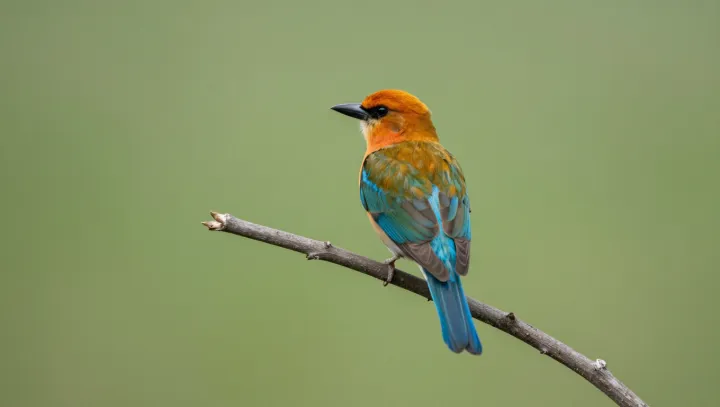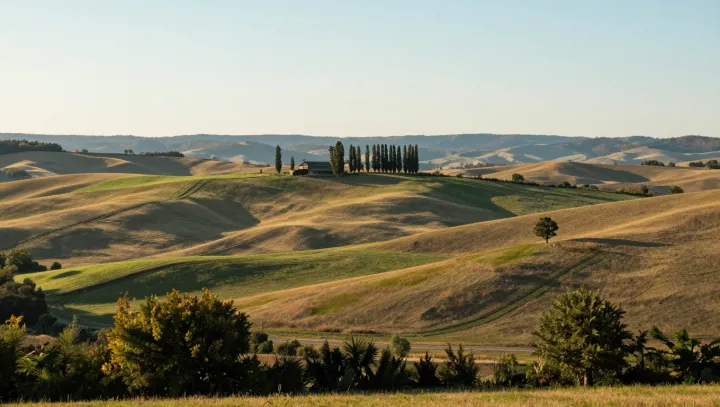
Silence in a cut off village can be misleading. Around some of these settlements, species counts in fields and nearby woods surpass those in branded national parks, according to field surveys and long term plot monitoring that track birds, insects and vascular plants across small grids.
The real advantage sits in messy, human scaled land use. Tiny plots, hedgerows, fallows and uneven grazing create a high edge effect, boosting beta diversity and offering microhabitats that large, uniform reserves often erase with wide roads, dense visitor zones and single age forestry blocks designed for easy management rather than ecological heterogeneity.
Low input farming is another quiet driver. Limited synthetic fertilizer and pesticide use reduces chronic toxic load, so soil microbial communities and invertebrate guilds stay richer, which in turn supports higher trophic levels through more stable food webs and more complex nutrient cycling than in intensively managed buffer zones around some protected areas.
Isolation also works like an accidental conservation policy. Weak real estate pressure, slow infrastructure expansion and minimal night lighting keep habitat fragmentation, noise pollution and light pollution down, so species sensitive to disturbance persist, while in flagship parks, heavy tourism infrastructure and surrounding intensive agriculture can steadily hollow out diversity from the edges inward.