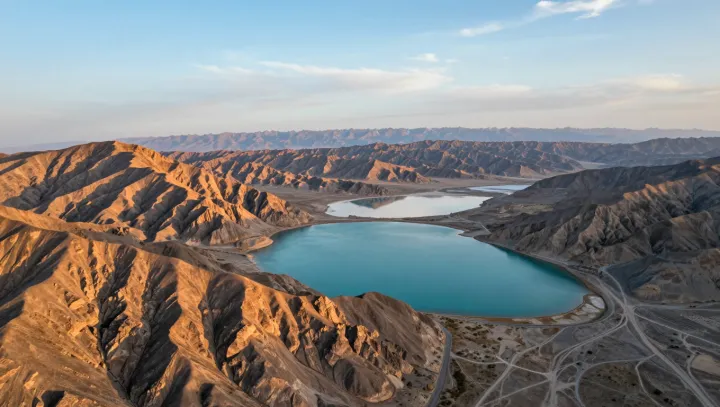
Empty dryness can be a better historian than any green valley. In closed desert basins, almost nothing interferes with how water leaves its mark, because low vegetation, low chemical weathering, and slow erosion create a kind of geological slow‑motion archive that is hard to disrupt.
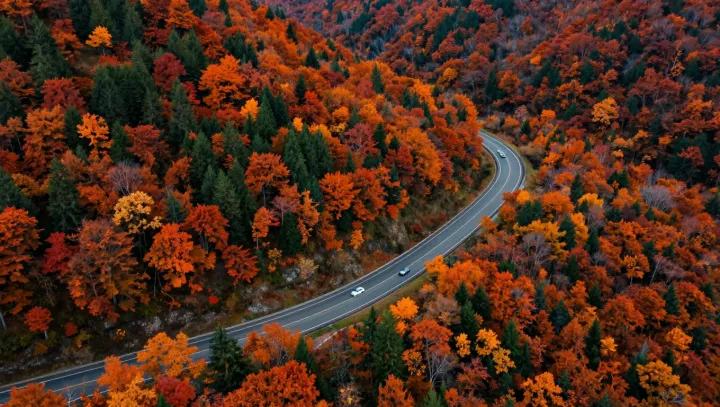
Forest valleys, for all their charm, are messy record keepers. Roots churn soil, rivers cut new channels, landslides reset slopes, and intense biogeochemical cycling constantly reworks sediment. By contrast, many arid basins act like long‑running tape recorders for hydrology: evaporating lakes concentrate salts, carbonate crusts form along ancient shorelines, and fine clay settles into quiet playas, building layer upon layer that stratigraphy can read with precision.
The sharper truth is that absence becomes data. Where rain is rare, each flood leaves distinct alluvial fans and easily dated layers; each rise in groundwater level imprints mineral bands that hydrogeologists can trace; each long‑gone lake leaves shore ridges that remote sensing maps in clean arcs. In those apparently lifeless bowls, paleohydrology, isotope geochemistry, and sediment core analysis can reconstruct swings in precipitation and runoff that wetter, more dynamic valleys have already overwritten.