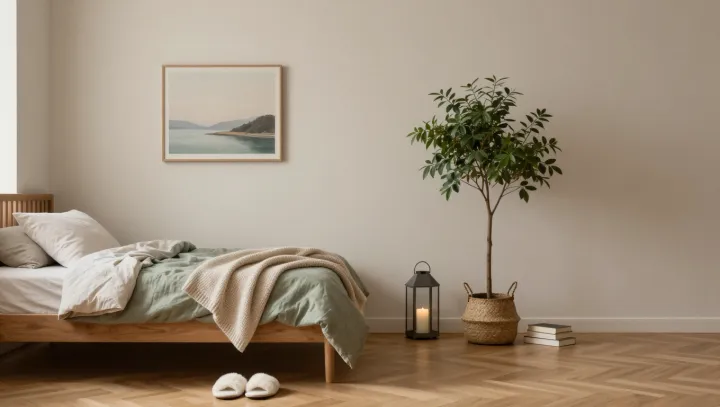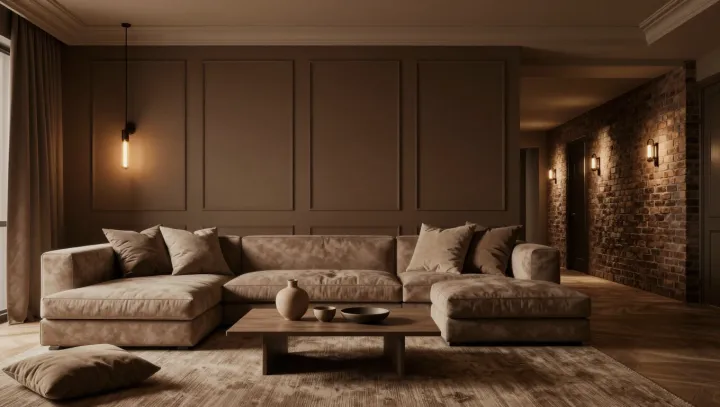
A modest room does not get bigger when you swap a cold ceiling bulb for a warm floor lamp, yet the brain insists it has. Shadows soften, surfaces glow, and a cheap sofa suddenly reads as intentional instead of temporary. The space has not moved up a tax bracket; your nervous system has.
The core claim is blunt: what feels like status is often just safety, wearing nicer clothes. Under warm light, with higher lux levels near walls and corners, the visual cortex supplies cleaner edge detection, while the limbic system tags that clarity as reduced threat. Add low color temperature, around the range associated with firelight, and ancient associations with campfires, group protection, and shared resources come online. The hippocampus, busy with spatial memory, now maps this living room not as a transient shelter but as a stable base camp, and that map feels suspiciously like upward mobility.
Even texture is cheating in plain sight. Soft weaves, matte finishes, and visible grain scatter light, lowering specular highlights and easing workload on contrast adaptation in the retina. Less visual strain, more perceived control. Status, after all, is partly the absence of effort. When your autonomic arousal drops, the prefrontal cortex has spare capacity, and that surplus gets rebranded as success. The room did not get richer. Your threat-detection circuitry simply stopped screaming.