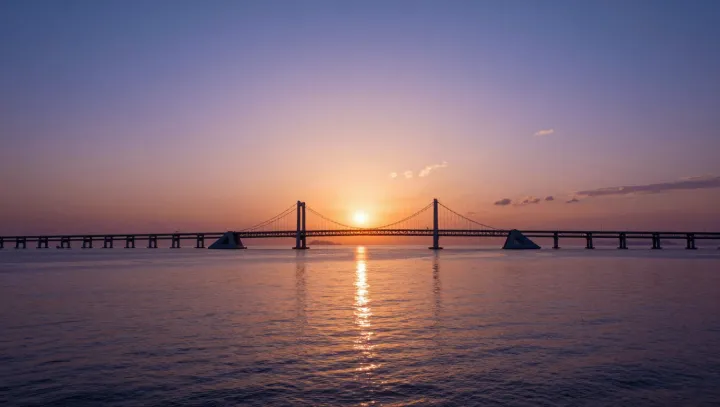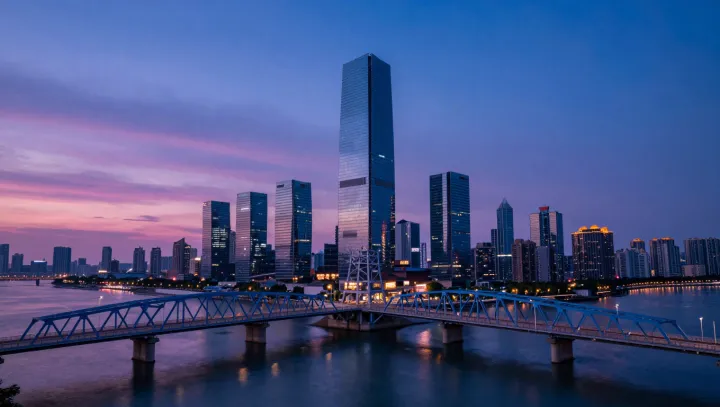
A blue bridge at dusk is less decoration than disclosure. Its glow shows where a city spends. High color‑stable LEDs, synchronized dimmers and fault‑tolerant drivers signal capital budgets that favor durable assets and low maintenance cycles, not one‑off spectacles or short procurement wins.
More telling is motion. Light streaks on the river surface sketch traffic volume in real time, while gaps in those streaks hint at congestion management, lane allocation and even freight curfews. When brightness tracks rush‑hour peaks, it points to adaptive control using occupancy sensors and traffic telemetry rather than fixed‑time circuits that waste power on empty lanes.
Energy choices sit in the shadows. A bridge that warms and cools on a tight schedule betrays a demand‑response contract with the grid operator, folding lighting into load management and capacity planning. If luminance holds steady despite a visible drop in surrounding districts, that stability implies ring‑fenced infrastructure, dedicated feeders or on‑site storage that shields the crossing from distribution volatility. In the quiet spread of blue across moving water, budget lines, commuting habits and kilowatt decisions are all faintly legible.