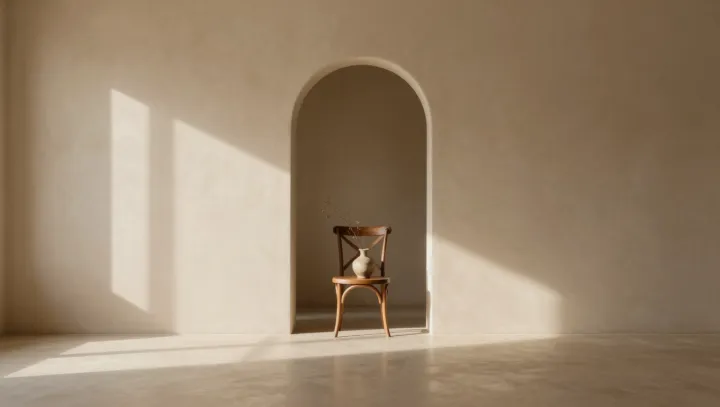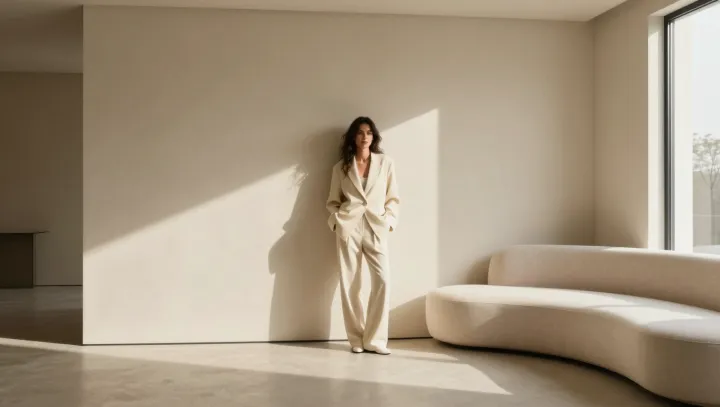
Beige did not soften power; it privatized it. On screens and in offices, the former non-color now signals a form of authority that refuses spectacle, a strategic retreat from the high-contrast uniforms that once defined ambition.
Power, fashion discovered, had grown tired of shouting. The neon jackets and sharp-shouldered suits of old corporate mythology broadcast dominance but also anxiety, a kind of sartorial overcompensation. Beige, by contrast, behaves like a mute button: it absorbs attention rather than demands it, letting the wearer control the tempo of a room while appearing almost incidental to it. That is precisely why women at the top of finance, law, and tech have been quietly standardizing on camel coats, sand knitwear, and oat-colored suits.
The shift tracks with the rise of so-called quiet luxury and with a workplace more sensitive to displays of aggression. A red blazer on a woman is still read as a declaration; a beige trouser suit looks like policy, not protest. The color’s low contrast softens perceived edges, yet its associations with cashmere, linen, and expensive minimalism encode access, stability, and control. Beige lets women occupy the center of power while denying onlookers the satisfaction of a performance.
What once looked like absence has become a tactic: a palette that withholds emotion, flattens hierarchy, and turns the idea of power dressing inside out.