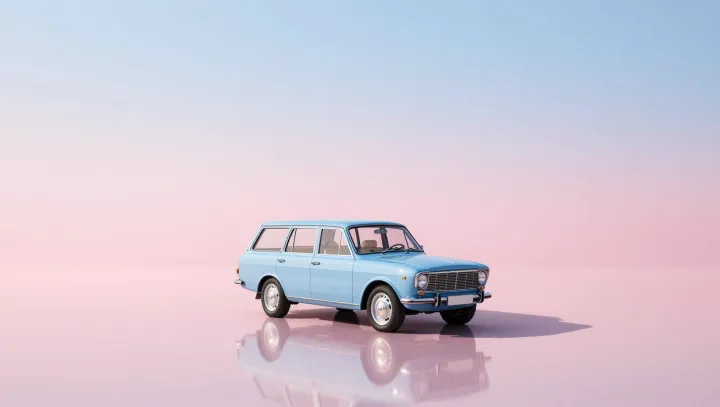
Sheet metal, not engines, made the loudest claim on those long-roof wagons. Drag went up, fuel efficiency went down, and designers accepted the penalty as the cost of theater in metal.
Car studios treated air resistance as negotiable because the real race played out in the showroom, not in a wind tunnel. With cheap gasoline and modest highway speeds, the economic hit from higher drag coefficient and turbulent wake barely registered on family budgets. What did register was spectacle. Chrome spears, tailfins, and knife-like creases turned slow, heavy wagons into visual projectiles, borrowing cues from jet intakes and rocket fairings to suggest power that the engines could not honestly supply.
The judgment was blunt: buyers purchased status first and physics second. Marketing research of the era hammered home that shine, length, and apparent speed sold more cars than sober efficiency metrics. So stylists extended overhangs, stacked bumpers, and framed glass with thick brightwork, all of which disturbed laminar flow yet amplified the sense of motion while parked at the curb. Those wagons became rolling billboards for prosperity, proof that aerodynamics was, for a time, just another aesthetic option rather than an engineering constraint.