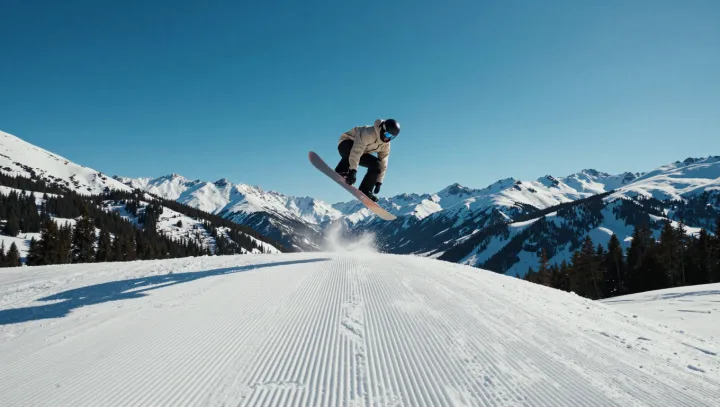
Tiny, perfect lips build big riders. Not giant cliffs. On small, well-shaped jumps, the brain can stay below panic threshold, so procedural memory and motor learning circuits actually stay online instead of being flooded by stress hormones.
This calmer state lets riders repeat the same motion hundreds of times, adjusting takeoff angle, body position, and braking points with the kind of incremental precision that synaptic plasticity demands for long term retention. The result is stable technique instead of lucky survival. By contrast, huge, sketchy sends trigger a full fight or flight response, pushing heart rate and cortisol so high that reaction becomes flinch, not skill, and the memory stored is mostly the fear, not the movement pattern.
There is another, less glamorous reason. Clean, small jumps create a closed-loop feedback system: clear visual cues, predictable trajectories, consistent landings. That gives riders honest data about mistakes, which sharpens proprioception and timing. Big, rough features blur the feedback; when everything is chaotic, it is impossible to know whether the near crash came from speed, line choice, or random luck. Over time, the careful rider quietly compounds thousands of accurate reps while the hucker burns energy on adrenaline spikes and plateaus early.