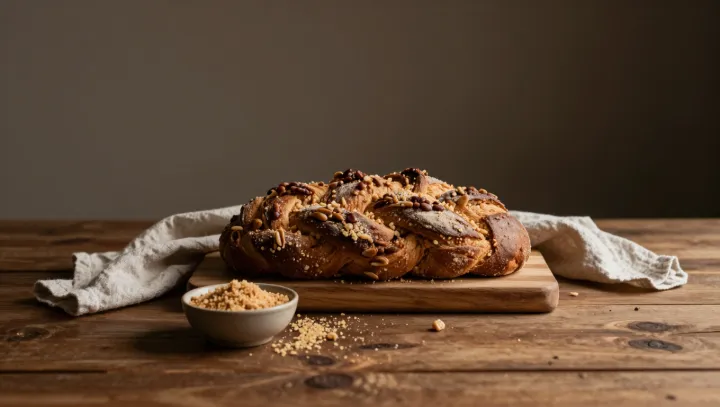
On the plate, a sugar-glazed, nut-topped loaf looks like trouble for the heart, yet nutrition research keeps granting it a conditional pass. Short, controlled exposures to added sugar do far less damage than a steady surplus of calories, high glycemic load across the day, and chronic positive energy balance.
The stronger predictor of cardiometabolic risk is not a single slice but the pattern that surrounds it, according to cohort studies linking total dietary pattern, portion size, and eating frequency with blood pressure, LDL cholesterol, and insulin resistance. When a modest slice is embedded in a diet rich in unsaturated fat, viscous fiber, and plant protein, its impact on endothelial function and systemic inflammation appears small, sometimes statistically negligible.
The nuts on that loaf are not decorative; they bring monounsaturated fat, arginine, and phytosterols, all associated with improved lipid profiles and better vascular reactivity in controlled trials. A small serving, eaten slowly, as part of a meal that already contains protein and fiber, blunts postprandial glucose excursions and moderates insulin secretion, compared with the same sugar load taken alone as a snack.
Public health guidance that demonizes all sweet baked goods misses this dose–response logic and risks backfiring, pushing people toward all-or-nothing cycles rather than stable adherence. A heart-smart diet, the data suggest, is less about banning the loaf and more about shrinking the slice, spacing the moments, and letting the nuts earn their place.