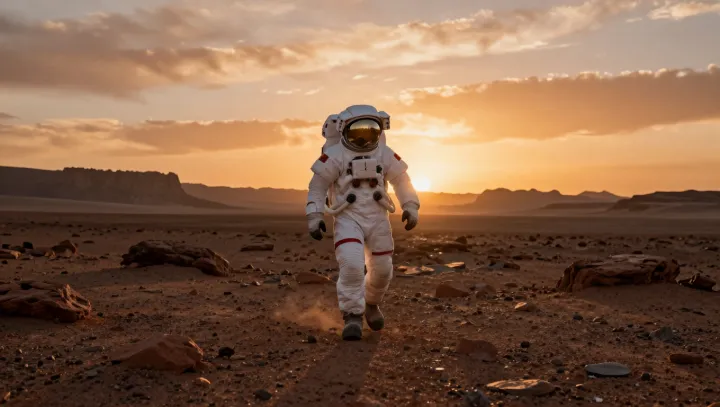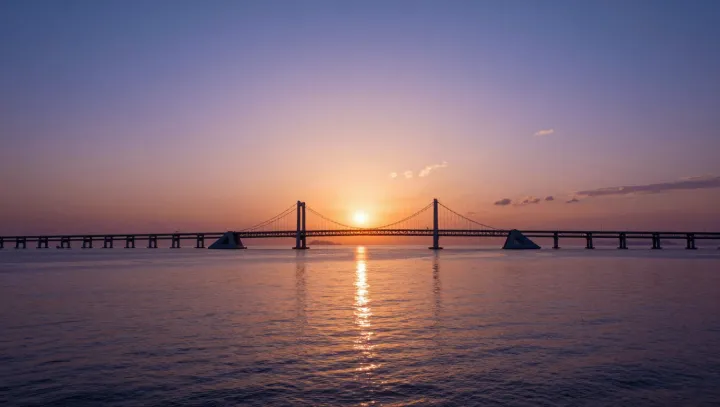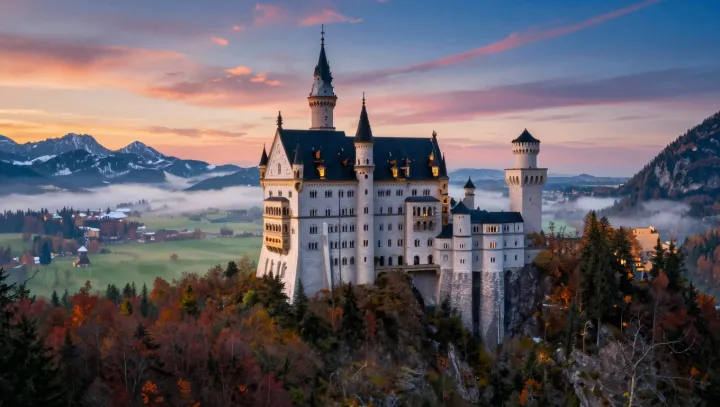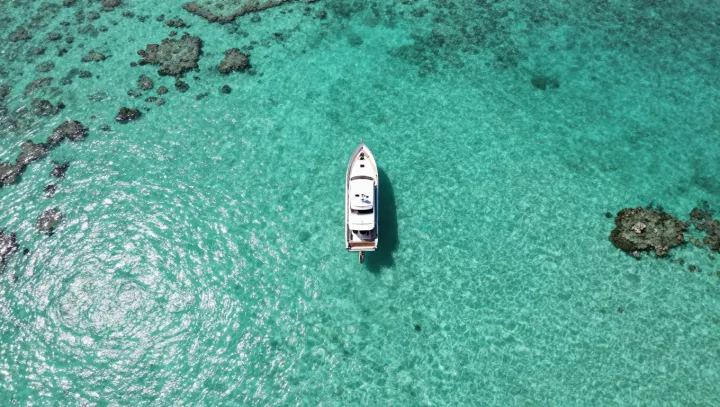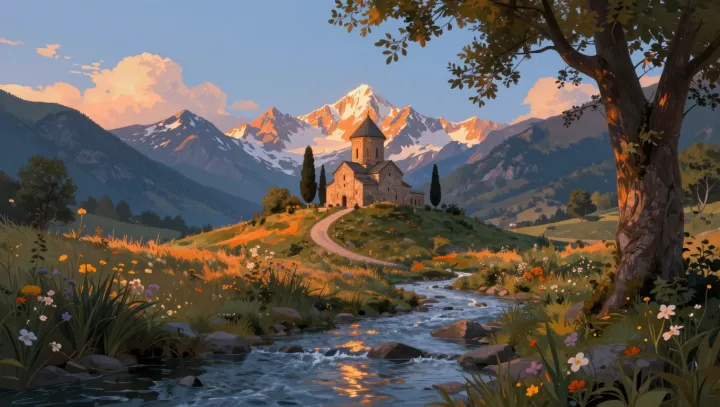
One sunset over mountains and water can feel larger than any skyline you have stood beneath. Light flattens the foreground. Distance softens. In that minimal frame, the brain stops firefighting detail and starts allocating resources to depth and stillness, not to traffic lights, signage, or moving crowds.
What looks like serenity is actually ruthless filtering. Visual cortex and dorsal stream cut away clutter, so binocular disparity and atmospheric perspective gain priority, letting neural circuits infer vast distance from tiny gradients of color and contrast. With fewer edges and objects to classify, attentional load drops; instead of tracking dozens of cars and windows, the brain can spend metabolic budget on a single vanishing line where water meets sky.
Calm, too, is a competitive process. In a city view, salience networks keep spiking at every flash, logo, and face, suppressing the default mode network that supports inward reflection. A sunset over open water reverses that power balance. Slow luminance change, low-frequency motion in clouds, and predictable horizon geometry dampen amygdala reactivity and free autonomic systems to lower heart rate and muscle tension, so the scene feels not just wider, but privately, almost suspiciously, quiet.