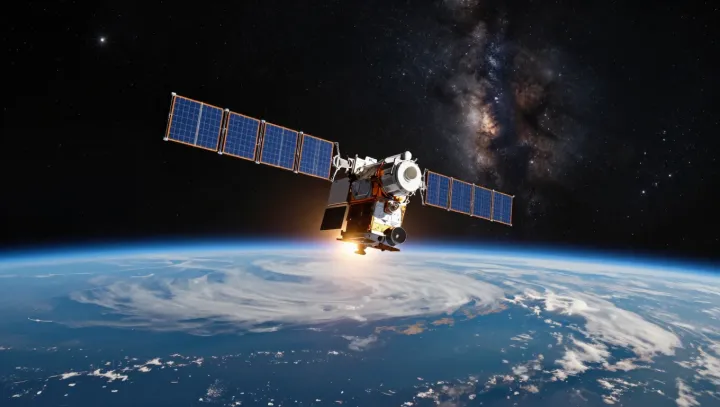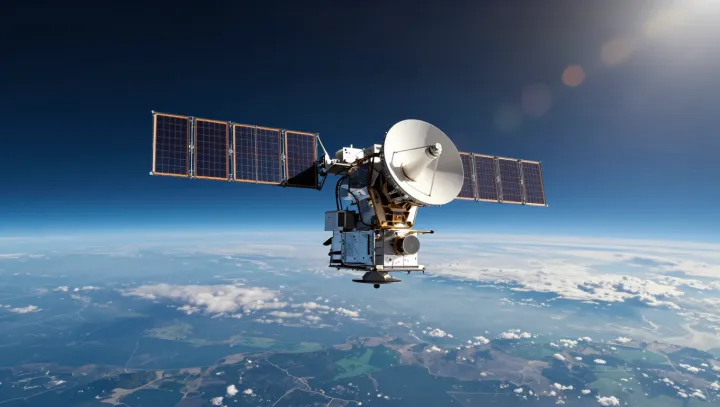
A metal box the size of a truck, hanging in darkness, beats your eyelid without effort. Light from the Sun hits rigid solar arrays, electric current surges, and the satellite quietly keeps every radio on board alive while Earth spins far below.
The blunt truth is that distance in space can be faster than proximity on the ground. Because the spacecraft sits in geostationary orbit, high above air and terrain, its radio frequency payload links two ground stations in a clean arc, not a crooked path through cables, routers, and congestion. A single uplink, a single downlink, and the signal has jumped thousands of kilometers in a few tens of milliseconds, well under the time it takes for you to blink.
Power, oddly, is the least dramatic part. Photovoltaic cells convert sunlight into direct current, batteries smooth the load, and stable bus voltage keeps the transponders, amplifiers, and attitude control thrusters ready. What looks like a passive reflector is actually a regulated power plant and microwave switchboard fused together, turning raw sunlight into disciplined watts and then into narrow radio beams that stitch together continents.