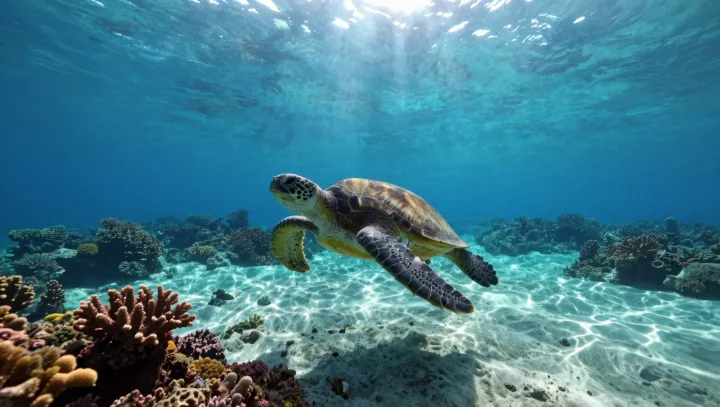
Sea turtle longevity looks almost like a cheat code, but it is not an exemption from biology. Their organs keep functioning for decades, yet every cell still runs on chemistry that leaks, frays and misfires. Slow, yes. Stopped, never.
The harshest limit is molecular damage. DNA repair pathways and proteostasis networks work hard, but they are not perfect; replication errors, oxidative lesions and misfolded proteins accumulate with each cell cycle. Mitochondria, the main site of oxidative phosphorylation, drip reactive oxygen species that scar membranes and nucleic acids. You can turn the tap down through low metabolic rate and a stable body temperature regime. You cannot turn it off without halting energy production itself.
Telomere biology also refuses to grant immortality. Sea turtles may manage telomere shortening more efficiently than many mammals, yet unrestrained telomerase activity would raise cancer incidence in proliferating tissues. That trade-off is brutal. Extend repair and surveillance, and you spend more energy and time on immune monitoring and apoptosis. Relax those safeguards, and malignant clones exploit the extra lifespan. Collagen crosslinking in cartilage and shell, stem cell exhaustion in gut and blood, and gradual immunosenescence then close the trap. Longevity, for turtles, is not a pause button on aging. It is just a long negotiation with entropy, which still wins.