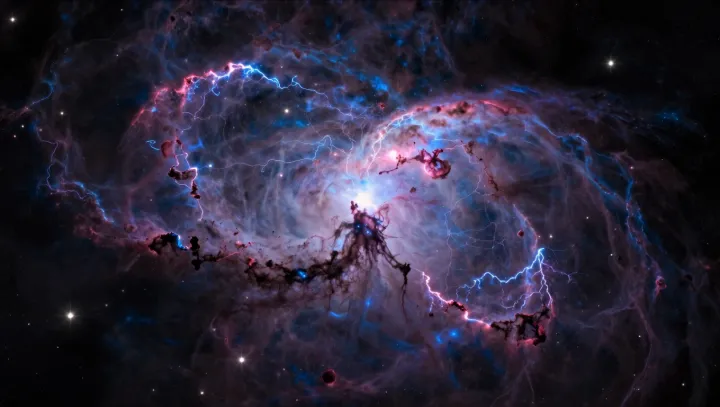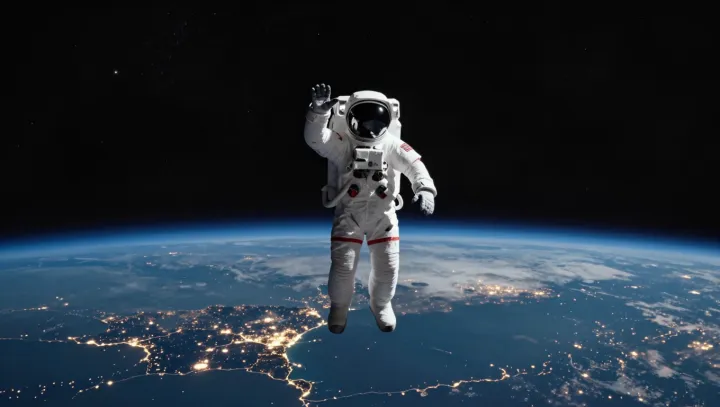
Moonlit pavement can feel more honest when it never existed. In a guided fantasy, the brain is not lying; it is following its own rules. Neural circuits in the visual cortex, superior colliculus and parietal lobe generate stable gradients of light and color, so the imagined street and the dragon’s shadow obey the same optics your eyes expect from physical space.
The strange part is this. Many real episodes are stored as noisy fragments. Hippocampus and prefrontal cortex compress life into scattered traces, riddled with gaps and interference, so an actual evening walk might survive only as a blur of sound, one smell, no clear sky. By contrast, deliberate imagery recruits top‑down predictive coding, letting you impose continuity: the same bluish glow, the same wing texture, footstep after footstep. Consistency itself becomes a proxy for truth.
Companionship tips the scale further. Social brain networks in the temporoparietal junction and medial prefrontal cortex respond less to factual status and more to coherent agency, gaze and shared direction. The dragon tracks you, matches your pace, offers a sense of joint attention that many real encounters never manage. So the walk feels anchored, almost documentary, while the actual past flickers like bad reception.