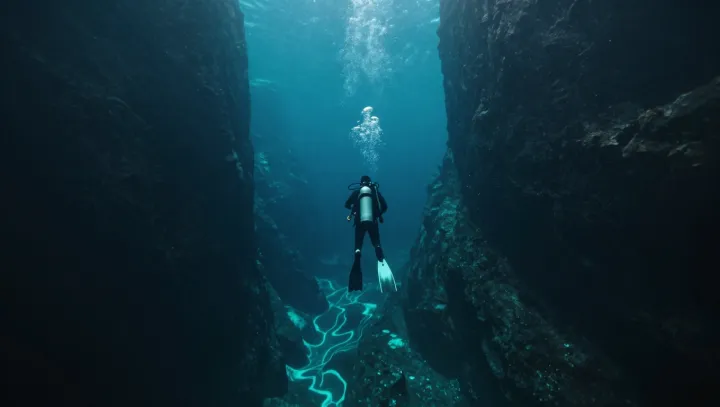
Black water does not terrify the elite diver; it bores them. That indifference is engineered, not innate, and it starts with methodical exposure to darkness and depth long before the first 30‑meter drop. Coaches pair dim‑light pool sessions with controlled descents on a line, while divers rehearse equalization and depth checks until those actions become automatic motor programs rather than conscious choices.
Fear, they argue, is mostly bad math. So they retrain the brain’s threat calculus by pushing carbon dioxide tolerance and baroreflex adaptation under supervision, using breath‑hold intervals, slow exhalation drills, and tight ascent‑rate protocols. Rising CO2, once read as panic, is re‑labeled as a familiar signal in the insular cortex and brainstem, backed by hard data from dive computers instead of imagination.
Calm, in this world, is a script, not a mood. Divers run the same sequence every time: pre‑dive breathing that tweaks vagal tone, descent on fixed visual anchors, micro‑adjustments of buoyancy compensators and weights tuned so that neutral buoyancy arrives near target depth. By the time vision vanishes and the seafloor drops away, the only task that remains is to follow the script’s timing, like a metronome ticking in the dark.