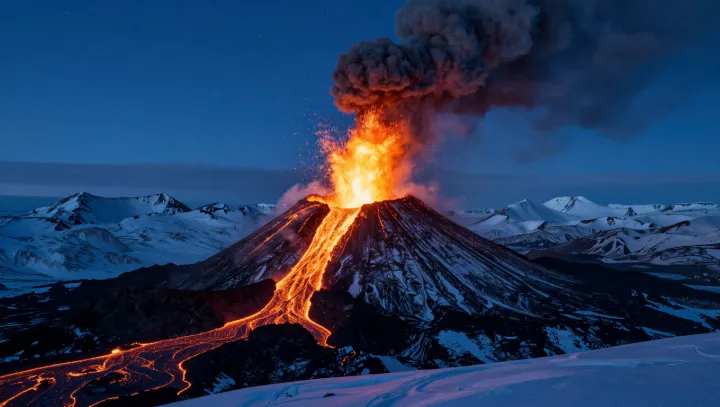
Thunder outside can matter less than the storm inside. Under sudden emotional stress, the brain behaves as if handed a red marker, circling certain moments for long‑term storage while letting others blur. At the center of this triage sit the amygdala and hippocampus, whose joint activity decides which fragments of experience become durable memory traces.
The striking fact is this: one acute spike in arousal can outcompete many hours of calm for neural real estate. During intense fear or heartbreak, stress hormones such as cortisol and adrenaline surge, binding to receptors that modulate long‑term potentiation in hippocampal circuits and alter amygdala firing patterns, so synapses linked to the stressful event gain extra strength and stability.
Routine days rarely get that biochemical boost. Their events are processed under low arousal, with modest dopamine release and limited engagement of noradrenergic systems, so memory consolidation proceeds but without the same bias toward permanence, leaving those traces more vulnerable to decay or interference when new information arrives.
Emotional storms also fracture sleep. That matters. Disturbed rapid eye movement sleep reshapes replay of recent experiences, increasing the probability that threat‑laden sequences are reactivated and reconsolidated, while mundane scenes from quiet days may be replayed less and gradually weaken.
So the stormy night leaves its mark not because it is dramatic, but because it recruits a full neurochemical cascade that tags, strengthens, and repeatedly rehearses its own memories, turning a brief episode into a lasting structural change in the brain.