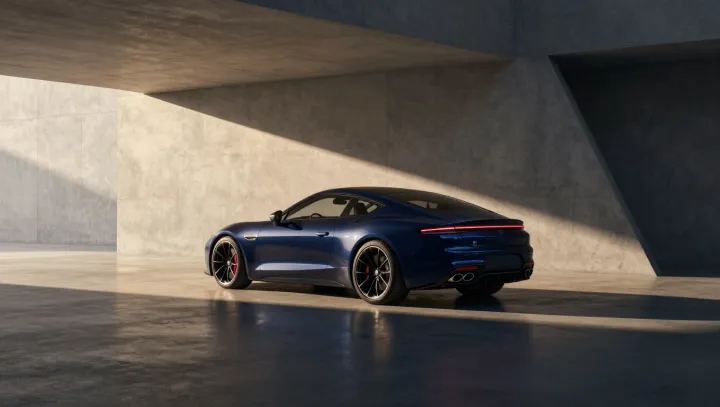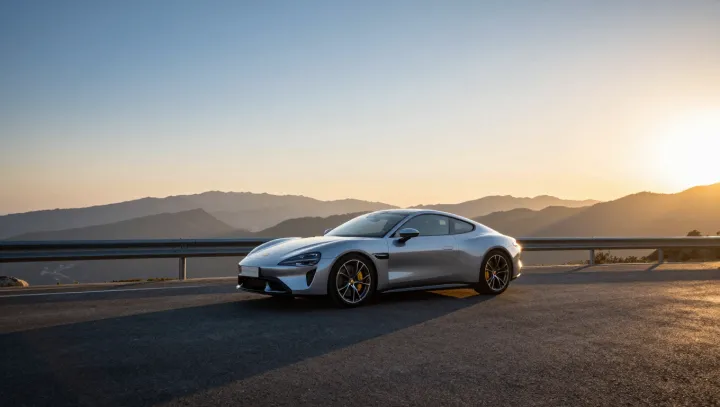
Stability at very high speed is more illusion than guarantee. A straight mountain road looks simple, yet physics there becomes hostile as velocity climbs and every small imperfection is amplified.
The first betrayal comes from air. At modest speed, aerodynamic downforce and drag feel tame; as velocity rises, dynamic pressure grows with the square of speed, so any mis-tuned front splitter, rear wing, or underbody flow can produce aerodynamic lift or an unbalanced aerodynamic center. A car that feels planted at medium pace can, near its claimed maximum, unload its front axle just enough that steering loses bite and crosswinds start to steer the chassis instead of the driver.
The second problem hides in rubber and steel. Tires deform more at extreme rotational speed, changing the effective contact patch and slip angle behavior, while camber gain, toe change, and bump steer within the suspension geometry can spike as damper travel approaches its limits over small bumps or expansion joints. That means a tiny heave in the asphalt can momentarily move the wheels into an alignment state the driver never feels at lower speed, triggering a sudden yaw response.
The driver then becomes the final destabilizer. Near top speed, steering ratio and power assistance make micro inputs matter; a few millimeters at the rim can create a large lateral acceleration because of the huge kinetic energy and limited grip margin. Electronic stability control and traction control, based on sensor fusion and control loops, operate closer to their thresholds, so when they intervene, they may do so abruptly, adding an extra jolt just when the car is already skimming the edge of adhesion on that deceptively straight mountain ribbon.