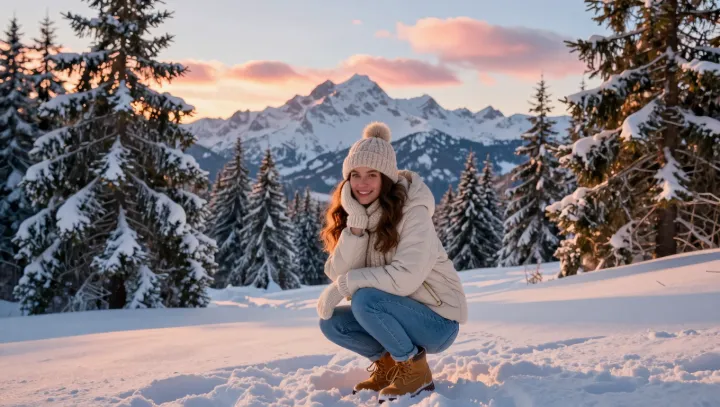
The best winter portraits begin with a contradiction: cold snow does much of the flattering work. It lifts faces. Fresh snow has high albedo, returning a broad wash of light toward the subject rather than swallowing it like wet ground or dark pavement. That bounce softens shadows under the eyes and chin, where a low sun alone can turn a face into a study in harsh geometry. The effect is not magic. It is reflected light, clean and abundant.
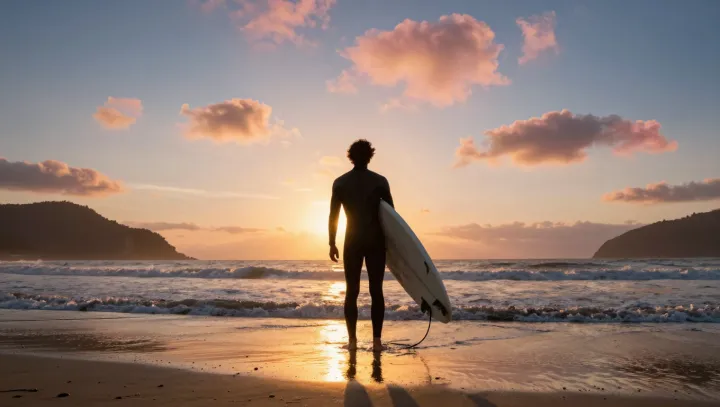
Sunset earns its reputation only when snow is doing its share. The low-angle sun brings directional modeling and a lower correlated color temperature, casting amber along hair, skin, and the edges of a coat, while the snow preserves cooler fill in the shadows. Contrast becomes the point. A photographer who exposes only for the sky risks losing the face; one who chases bright snow can bleach the frame into dullness. Protect the highlights, keep the subject near the snow, and let the dynamic range hold its tension. Above, fire. Below, frost. Between them, a face briefly made luminous.