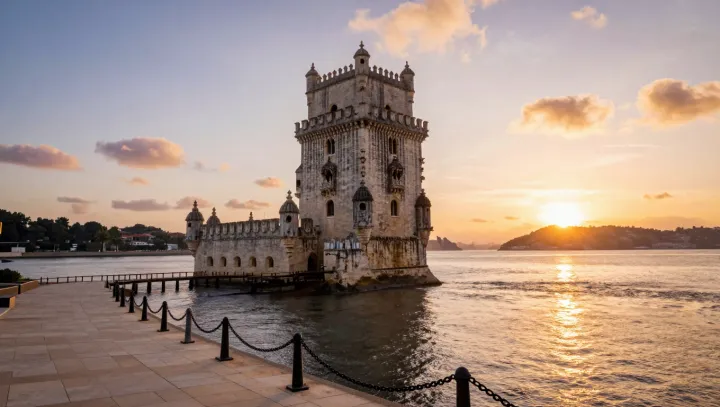
Stone wins this contest. At the waterline, a tower's masonry is a heavy target to waves, whereas beaches and marsh edges consist of loose sediment that currents can lift, sort, and carry away. The contrast is not romantic. It is a difference in material behavior, amplified when storms, tides, dredging, and waterfront construction alter the supply and path of sand. Shorelines move with speed. A well-founded tower answers more slowly because its load is distributed into bedrock, dense soil, or deep piles, beneath the zone where surface erosion does its loudest work.
Design, not luck, decides much. Tapered walls reduce hydrodynamic loading, while battered profiles turn part of a wave's force aside instead of taking it square on. Mass still matters greatly. Interlocking blocks, rubble cores, and lime mortar create redundancy: as one joint wears, neighboring stone continues to carry compressive stress. Old craft earns interest. Lime mortar may close fine cracks through carbonation when moisture and chemistry permit, preserving contact between stones without pretending that decay has stopped.
Maintenance is the hard truth. Foundation scour can remove support below a structure, salt crystallization can fracture exposed faces, and careless repairs may trap water inside masonry. The risks stay ordinary. A tower survives when drainage, joints, and toe protection are watched, even as dredging, seawalls, or building works redirect currents nearby. Water collects every debt. At dusk, fixed stone and wandering water resume their old argument.