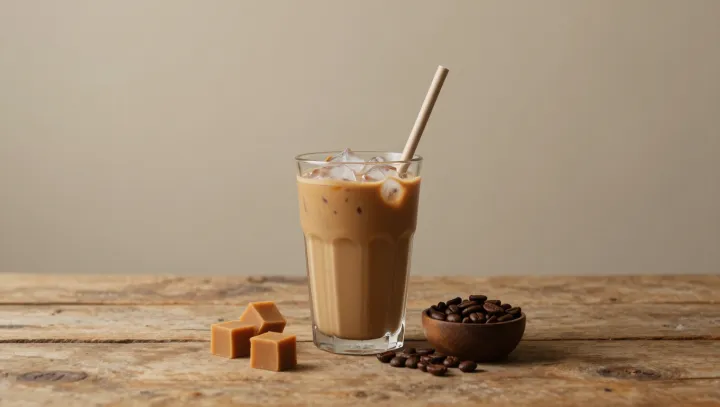
Ice rattles beneath caramel-colored foam, and the drink's apparent gentleness is its small deception: dissolved added sugar reaches the gut with little chewing or digestive delay, while cold milk, flavoring, and cream soften the sensory warning. The palate votes slowly. Blood glucose need not. What seems like a treat can behave like a rapid carbohydrate delivery system.
The mismatch deserves more suspicion than coffee-shop menus usually grant it. Liquid carbohydrates can produce a brisk glycemic response because gastric emptying and intestinal glucose absorption move sugars into circulation before satiety signaling catches up; insulin secretion then rises to manage the influx. Cream is not a brake. Fat and protein may change the curve, yet they do not erase the added sugar or guarantee fullness. Portion size compounds the problem when a large serving turns several sweet ingredients into one easy purchase.
Calling the drink mild is a marketing victory, not a metabolic description. Taste is a poor gauge. For people who monitor glucose, the useful question is not whether the coffee feels indulgent, but how much added sugar arrives in a glass designed to disappear quickly. That distinction matters when the beverage accompanies a pastry or hurried breakfast. Read the nutrition label, then treat sweetness as a dose rather than a mood. At the bottom of the cup, the last cold melt leaves an old argument unresolved: should the tongue or the bloodstream set the terms?