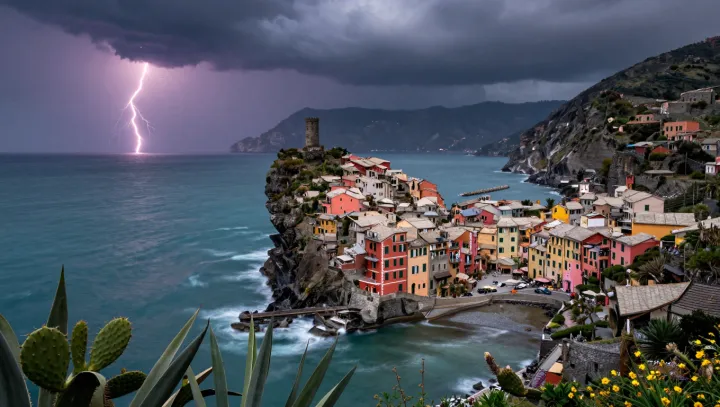
The beauty does work. Vernazza's terraced hillsides are agricultural engineering disguised as scenery, with stone walls holding cultivated ground where steep slopes would otherwise make farming difficult. The postcard misses this. Behind the orderly steps lies a centuries-old arrangement that slows water moving downhill, retains soil, and gives vines room to root above the sea.
Mortar is not everything. Built from stones fitted together without cement, dry-stone retaining walls support the earth behind them while allowing water to escape through gaps rather than accumulate unchecked. Drainage earns its keep. By relieving hydrostatic pressure, that permeability helps prevent water from pushing against the wall, although performance depends on sound construction, maintenance, and the conditions within the retained soil. Geometry matters as well. Where an uninterrupted slope encourages surface runoff to gather speed, successive terrace benches interrupt its downhill passage, helping limit the transport of soil while creating workable planting areas.
Neglect changes the bargain. When cultivation stops and walls go unrepaired, the same stepped ground can lose its protective function, especially where blocked drainage or displaced stones weaken the structure during heavy rain. Protection has its limits. Terraces cannot make steep terrain immune to erosion or slope failure, and presenting them as a complete defense would mistake a maintained agricultural system for an invulnerable barrier. Preservation means continued work. For Vernazza, keeping these hillsides productive requires attention to the walls as well as the crops, because the view admired from below begins with stones that must stay in place.