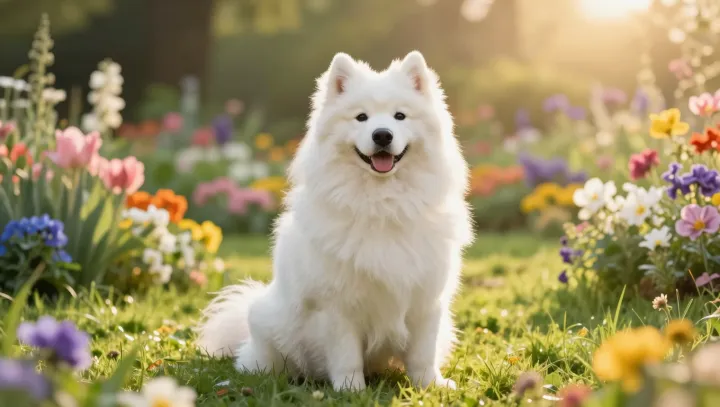
The smile proves little. A Samoyed's famously cheerful expression comes from upturned mouth corners, which give the face its recognizable curve without establishing what the dog feels. Anatomy gets mistaken for emotion. Those corners, called oral commissures, are physical features rather than a dependable report of pleasure, even when the expression looks remarkably familiar to human eyes.
Affection can distort interpretation. When people assign human feelings to an animal's appearance, a tendency called anthropomorphism, the apparent grin can overshadow signals that deserve more attention. The body supplies context. A loose posture, soft eyes and voluntary approach may suggest comfort, while stiffness, avoidance or a tightly closed mouth can indicate unease depending on the situation. No gesture stands alone. Even tail movement requires interpretation alongside its height, rigidity and the rest of the dog's behavior, rather than serving as an automatic certificate of friendliness.
The prettier reading can mislead. A dog whose face appears to smile may still need distance, rest or relief from an interaction, particularly when its posture and movements suggest reluctance. Observation beats the portrait. Owners should consider the whole animal and the immediate circumstances, allowing space when the dog withdraws instead of treating the familiar mouth shape as permission to continue. Happiness remains entirely possible. The distinction is not that Samoyeds cannot feel contentment, but that their recognizable expression cannot establish it by itself; behind the face that seems to answer, the animal is still speaking through its body.