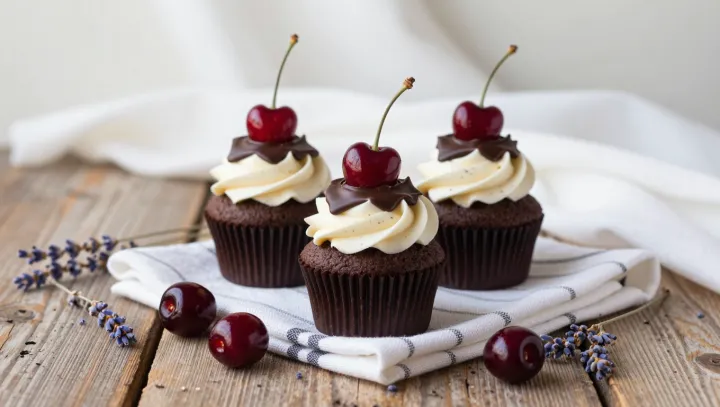
Salt earns its sugarcoat. A small amount can make cake seem sweeter without adding sugar, partly because sodium ions suppress certain bitter tastes that would otherwise compete with sweetness. Less bitterness changes everything. What reaches awareness is not a separate inventory of sugar, cocoa and salt, but a combined impression in which one taste can alter the apparent strength of another.
Bitterness is an unreliable witness. Cocoa, browned ingredients and some other cake components can contribute bitter notes, whose intensity depends on the recipe and which a modest salt addition may reduce. The effect has limits. Sensory scientists describe interactions between tastes as mixture suppression, although salt does not suppress every bitter compound equally, and sweetness enhancement varies with concentration and the food itself. Sugar remains chemically unchanged. Sweet taste still involves receptors such as T1R2/T1R3, but a sweeter impression does not establish that salt has directly increased their response; changing competing tastes can help explain the experience.
Restraint beats a heavy hand. Once salt becomes conspicuous, the cake may taste salty rather than sweeter, so the useful amount depends on portion size, existing salt and the strength of other flavors. A pinch lacks precision. For a small cake, following a tested recipe is more dependable than assuming that any handful of batter needs the same addition, especially when salted butter already supplies sodium. Perception keeps its accounts. On the plate, the sugar has not multiplied; it has merely become easier to hear in a quieter room.