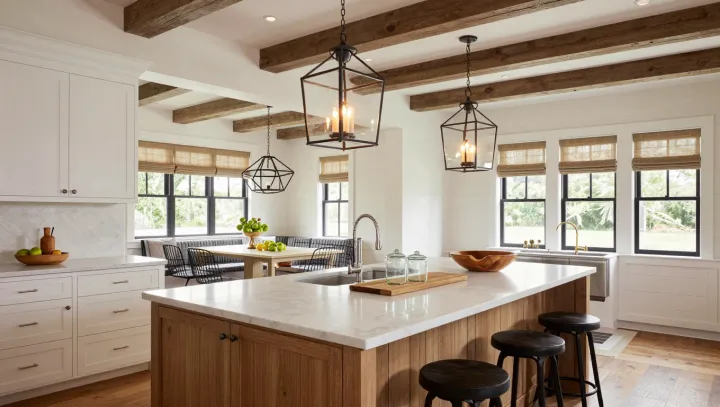
The table deserves acquittal. In a cramped dining area, a wall-side bench can preserve the eating surface while removing the space that chairs need when diners pull them back. The hidden expense is movement: beyond each chair's footprint lies an area that must remain available for sitting down and standing up, even when nobody occupies it.
A banquette changes the arithmetic. By placing seating against the wall, the arrangement removes rear pull-out clearance on that side, allowing the table to sit closer to the room's edge without shrinking dinner. Circulation space still matters. Routes past the table, access to doorways and room for chairs opposite the bench must remain usable, so the gain depends on the actual layout rather than the bench alone. Table supports deserve scrutiny. A pedestal base can ease sliding into position, whereas corner legs may obstruct knees precisely where a seated diner needs to enter.
Comfort can undo the bargain. A bench that is too deep, too high or awkwardly separated from the tabletop may save floor area while making every meal an exercise in adjustment. Test before committing money. Mark the proposed footprint with tape, check seated reach and knee room, and consider whether someone at the inner end can leave without displacing everyone else. Storage is no absolution. Lift-up seats offer extra capacity, but accessing them may require diners to move and cushions to be removed; the real luxury is the strip of floor left empty beside supper.