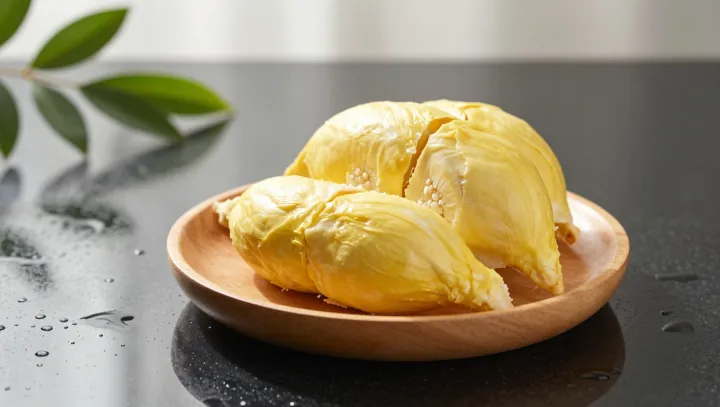
Cheaper durian starts with survival. Before another orchard promises abundance, the fruit already harvested must withstand journeys during which heat, bruising and delays can turn saleable flesh into a disposal cost. Waste carries a price. When fewer fruits reach customers in acceptable condition, the costs of growing, harvesting and transport must be recovered across a smaller saleable volume.
Refrigeration alone is insufficient. Durian is a climacteric fruit, meaning its ripening involves increased respiration and ethylene production, so handling must account for maturity as well as temperature. Cold has its limits. Excessive cooling can cause chilling injury, while unsuitable packaging and rough loading can damage fruit even when a truck maintains its target temperature. Precision beats blanket cooling. Harvest assessment, protective containers and temperature records can help operators identify where quality deteriorates, rather than assuming every rejected fruit represents an unavoidable agricultural loss. Measurement should precede machinery. Without records of rejection rates and remaining shelf life, an expensive cold room may merely preserve the wrong part of a failing distribution system.
Savings need not travel. Lower losses can reduce the cost per saleable fruit, but price transmission depends on competition, contracts and whether traders pass those savings to buyers. More supply still matters. Yet investment decisions should compare the cost of preserving an existing harvest with the cost of expanding production, including the energy and equipment that preservation requires. The empty crate poses an awkward question: how much of tomorrow's abundance is already being thrown away?