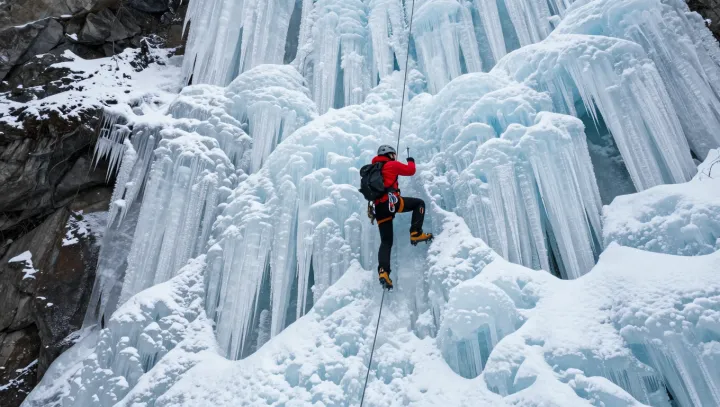
Risk, not exhilaration, often sets the agenda in extreme sports. A descent that looks spontaneous can be preceded by forecasts, equipment checks and decisions about when to turn back. The calculation is sobering. A brief encounter with danger may depend on hours spent trying to make it less dangerous.
Preparation buys options, not certainty. In avalanche terrain, athletes may study snowpack stability and weather history because buried weak layers can fail under the weight of a person, releasing snow above them. Forecasts describe conditions across an area; they cannot guarantee the stability of every slope. There are human limits, too. Fatigue, group pressure and the pull of a desired objective can distort judgment, making a decision to stop harder even when warning signs accumulate. Checklists and agreed turnaround criteria can help counter those pressures, but they cannot abolish them.
The best return on preparation may be the freedom to walk away. Checking equipment, considering alternatives and communicating a plan can reduce exposure and make a response to trouble more orderly; none can prevent a sudden weather shift, equipment failure or a rescue delay. Nor does experience erase uncertainty. It can sharpen recognition of hazards while breeding confidence that outruns the evidence. The distinction matters because the athlete is not choosing between control and chaos, but deciding how much uncertainty to accept. At the edge of a descent, the untouched slope remains both an invitation and an unanswered question.