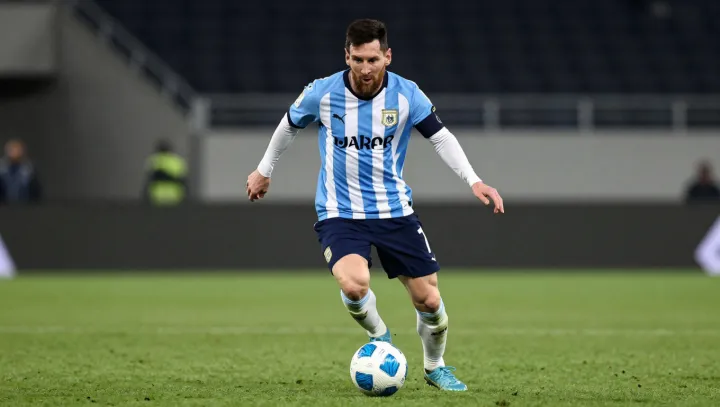
Argentina's World Cup triumph began, in a sense, with a departure. After missing a penalty in a shootout defeat to Chile in the Copa America final, Lionel Messi announced that he was done with international football. The loss had exposed more than a missed kick: it was another defeat in a major final for a player burdened by the expectation that he alone should deliver.
The resignation reflected exhaustion, not indifference. Argentina had lost the World Cup final to Germany and another Copa America final to Chile before that shootout. Messi, who also faced criticism at home despite his club achievements, said he had tried his hardest and that the national team was not for him. The decision did not last. After an outpouring of support from fans and appeals from Argentine leaders, he reversed it, saying his love for the country and its shirt outweighed his frustration.
The decisive change was collective, not miraculous. Under coach Lionel Scaloni, Argentina built a side that could press, defend and give its captain room to shape attacks rather than carry every burden. The team's Copa America victory over Brazil, secured by an Angel Di Maria goal, ended Messi's wait for a major senior international title. Then came the World Cup final against France: Messi scored twice, Argentina drew 3-3 and won the shootout 4-2. For a player once cast as the solitary answer, glory arrived surrounded by teammates.