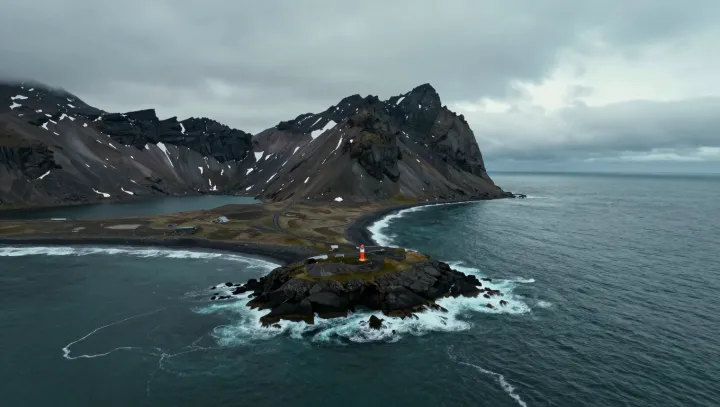
Iceland's volcanic restlessness makes for an unusually practical furnace. Roughly nine in ten homes are heated with geothermal energy, drawn from underground reservoirs and carried through district heating networks. The arrangement turns a geological hazard into a household asset, though the heat reaching a radiator is not molten rock.
The useful mechanism is circulation, not eruption. Iceland sits astride the Mid-Atlantic Ridge, where tectonic plates pull apart, and above a mantle hotspot; both contribute to the heat beneath it. Groundwater seeps through fractured rock and absorbs that heat, sometimes collecting in accessible reservoirs. Wells bring the hot water to the surface. Pipes then carry it to buildings, either directly or through heat exchangers that transfer its warmth to a separate water supply. Pumps and insulated pipes do the unglamorous work. In some areas, water is also heated using geothermal steam before entering the distribution network.
The bargain is valuable, but not free. Geothermal heating reduces reliance on imported fuels, while drilling, pipelines and maintenance require substantial investment. Reservoirs must be managed carefully: extracting water too quickly can reduce pressure or cool the resource, and geothermal fluids can contain gases or minerals that need handling. Reinjection can return used water underground and help sustain some reservoirs, though practices differ between sites. Beyond the warm window lies the same restless ground, indifferent to whether its heat is treated as a threat or a gift.