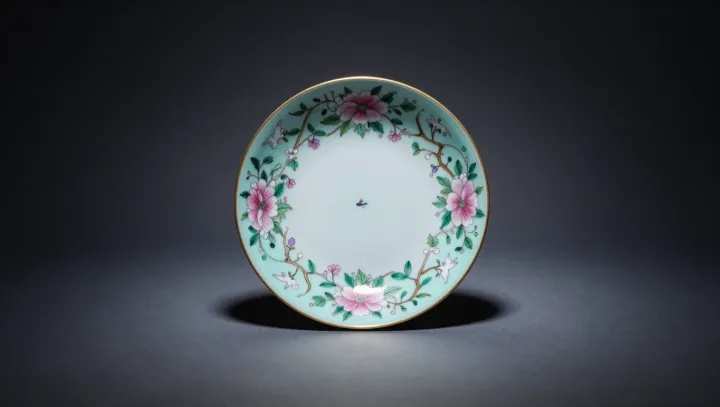
A shallow plate raised on a tall foot, sitting behind museum glass, once stood at the center of a very different script. In Sui court banquets, this stand operated as an individual dining platform that lifted key foods into a privileged visual and physical zone, separating elite diners from the common table surface and from the social noise beneath it.
Its form turned vertical distance into social distance. By elevating delicacies toward the diner’s chest and face, the stand managed both ergonomics and etiquette, echoing the logic of marginal utility: the rarer the food, the more spatial emphasis it received. The upward thrust of the foot created a controlled field for gesture, allowing sleeves, chopsticks, and vessels to move without crossing into the messy arena of shared dishes, while the empty air under the plate performed purity and exclusivity.
Material and finish further encoded rank, functioning almost like a visible baseline metabolism for ritual life. Subtle variations in height, diameter, and surface treatment signaled hierarchy just as clearly as garments or titles. What looks today like a simple piece of tableware was designed as a micro stage where hierarchy, decorum, and appetite appeared in a single, choreographed act of eating.