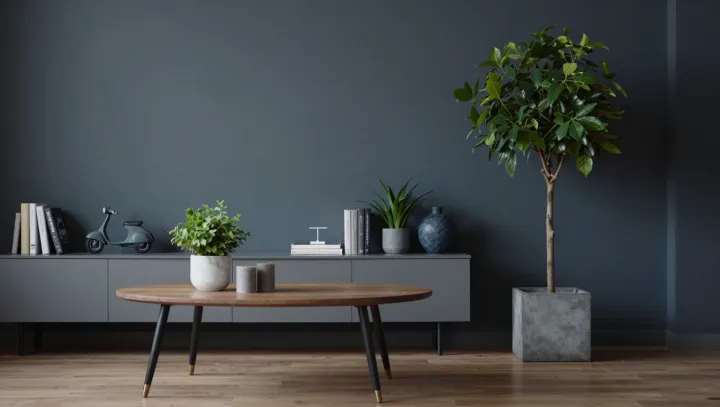
A pot of greenery can change how your home feels long before you touch a light switch. Studies on indoor air chemistry show that certain species, paired with porous pots and active potting soil, take up volatile organic compounds through stomata and rhizosphere microbe activity. The effect is modest but measurable, adding a slow, continuous filtration layer on top of mechanical ventilation.
The same setup also taps into your autonomic nervous system. Exposure to foliage and organic textures has been linked to lower cortisol levels and changes in heart rate variability, classic indicators of a calmer baseline. This is biophilic design working at the level of basic physiology, shifting your stress response much like a small change in basal metabolic rate alters energy use over a day.
Perception shifts as well. High-contrast leaves, light-toned ceramic or unglazed clay, and vertical plant forms influence luminance contrast and depth cues, so occupants often rate identical rooms as brighter and more open even under constant lux levels. The marginal effect is psychological rather than photometric, yet it can change how long you read by a lamp, how focused you feel at a desk and how welcoming a corner appears.